What Platforms Help Manufacturers Connect in Consumer Electronics OEMs?

March 17, 2026 06:22 AM - By Trustbridge Design and Manufacturing Team

Best Platforms and Partnerships for Manufacturers Serving the Consumer Electronics Industry 

Introduction

Consumer electronicsmanufacturing has become increasingly complex as devices become smaller, smarter, and more connected. Products such as smart home devices, wearable electronics, and connected accessories combine precision mechanical components, printed circuit boards, sensors, and advanced materials within compact designs. For manufacturers serving this industry, technical capability alone is not always enough to secure steady production work. Building the right partnerships and participating in trusted industry platforms can significantly improve visibility to companies developing new consumer electronics products.
 
Many OEMs and hardware startups search for manufacturing partners long before production begins. As a result, manufacturers who participate in engineering networks, hardware communities, and digital manufacturing platforms often gain earlier access to new product opportunities. These connections allow suppliers to collaborate with product teams earlier in development and compete more effectively for consumer electronics manufacturing contracts. 

Why Digital Procurement Tools Matter to Modern Buyers

Why Partnerships Matter in Consumer Electronics Manufacturing 

Consumer electronics OEMs typically evaluate several manufacturing partners when preparing to launch a new product. These decisions are rarely made by a single individual. Hardware engineers, sourcing managers, and supply chain teams often work together to assess potential manufacturing partners based on technical capability, production reliability, and supply chain experience. 

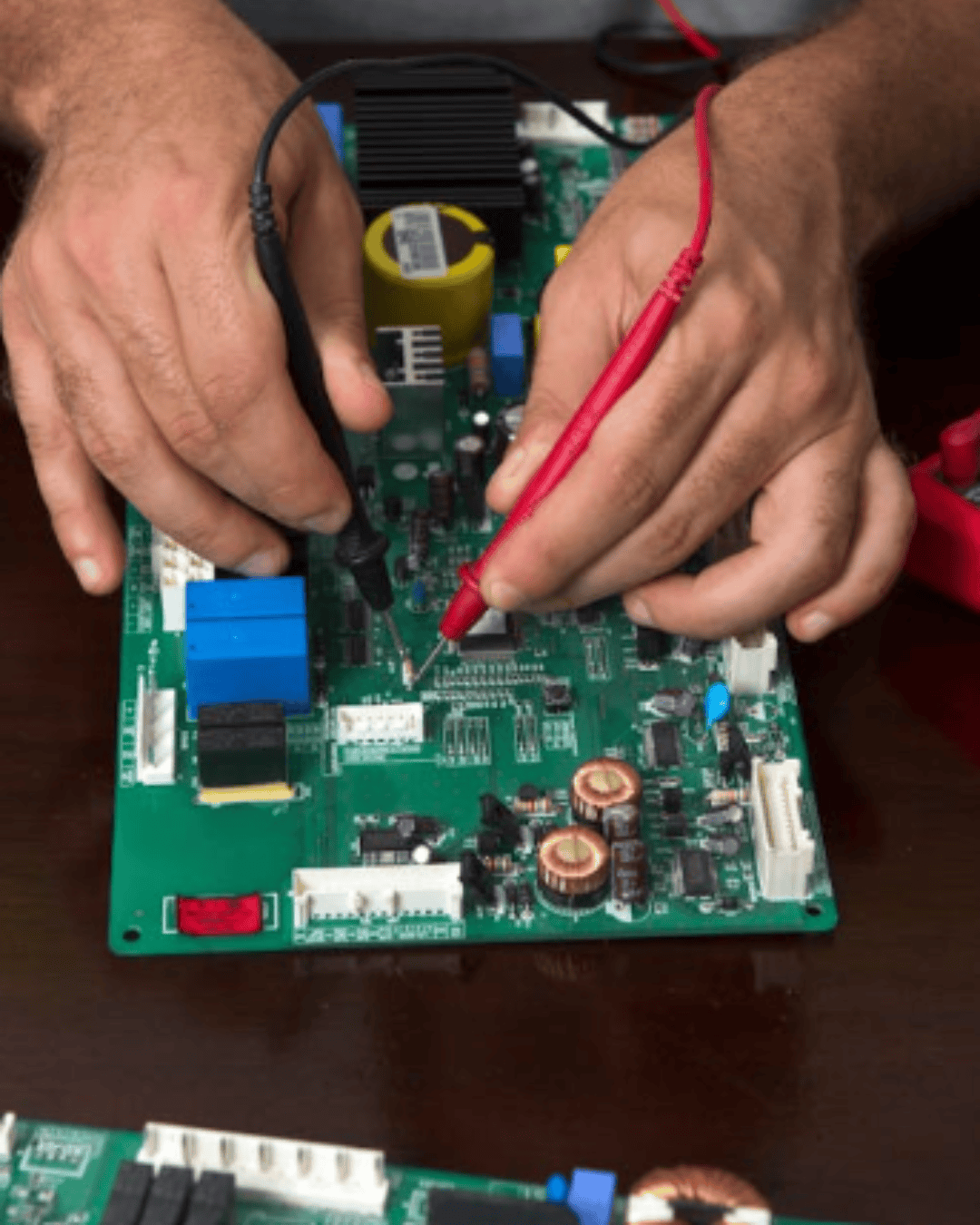
Manufacturers who build relationships within product development ecosystems gain valuable opportunities to demonstrate their expertise early in the design process. For example, suppliers who provide insights on design for manufacturability (DFM), enclosure tooling strategies, or PCB assembly workflows can help engineering teams refine product designs before production begins. 

These early contributions can significantly influence manufacturing decisions. As a result, manufacturers who remain connected to engineering communities and industry networks often gain a competitive advantage when OEMs begin selecting production partners.

The Role of Manufacturing Platforms in Winning Contracts 

In recent years, many manufacturing partnerships have begun through digital platforms that connect product developers with manufacturing suppliers. These platforms allow OEM teams to discover manufacturers, review capabilities, and identify partners who specialize in specific production processes. 

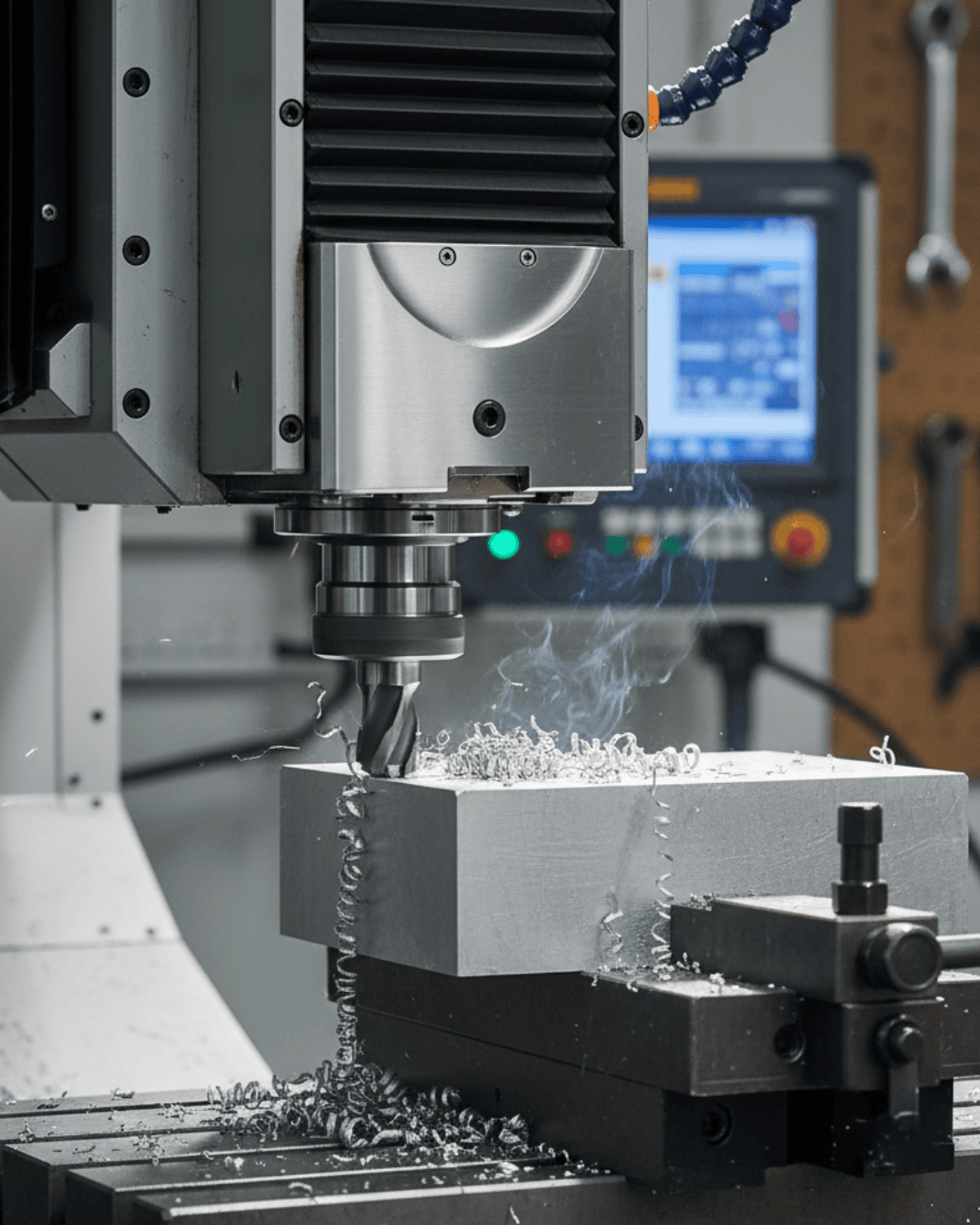
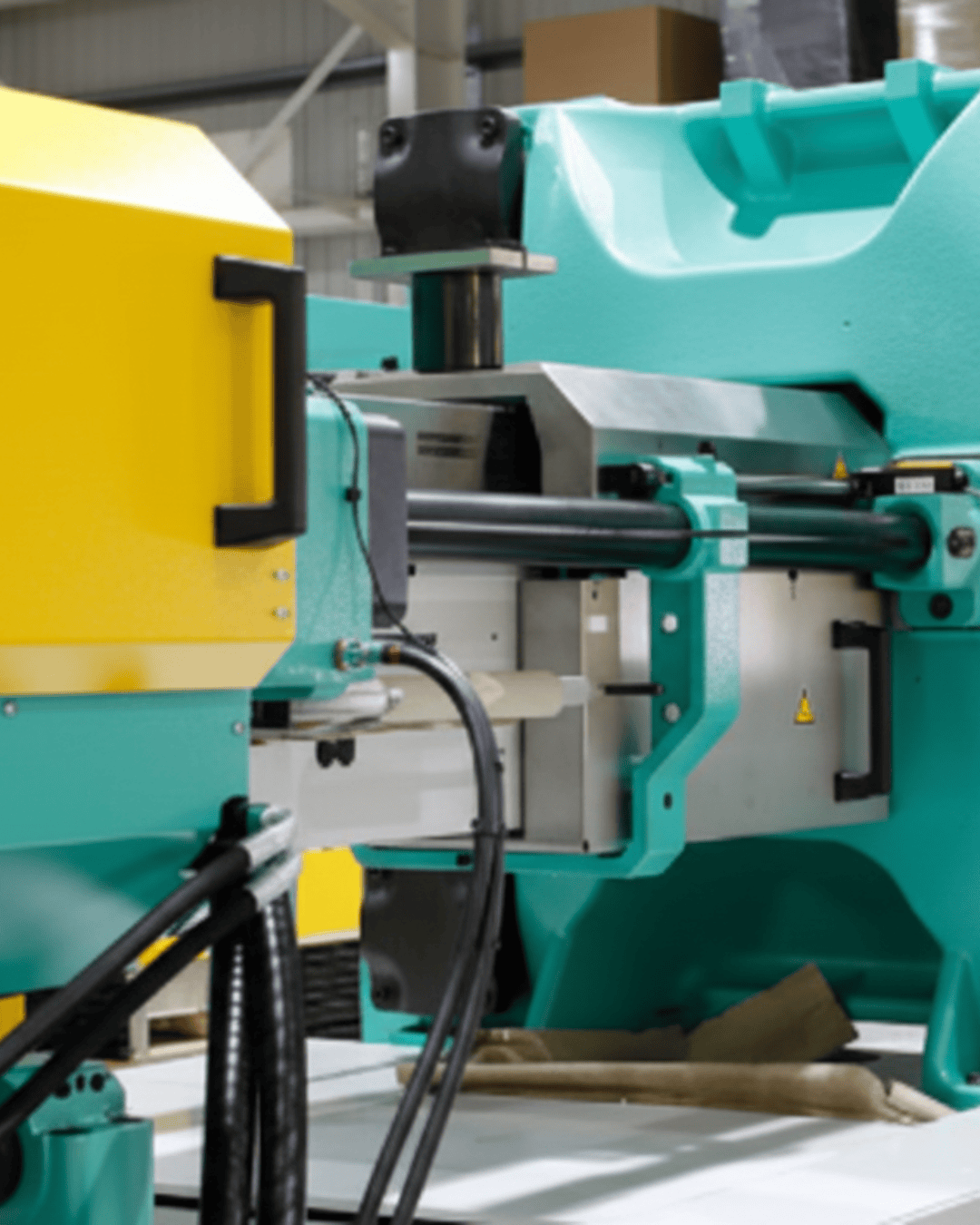
Product teams often use these platforms to search for suppliers experienced in processes such as electronics assembly, CNC machining for device enclosures, injection molding, or high-volume product assembly. Manufacturers that maintain strong profiles on these networks can demonstrate their technical expertise and production capacity to companies developing new hardware products. 

Being visible within these platforms increases the likelihood that manufacturers will be invited to quote projects or participate in early development discussions. Over time, these opportunities can lead to long-term production partnerships and repeat manufacturing contracts. 


Best Platforms and Partnerships for Consumer Electronics Manufacturers 
Several organizations and industry platforms help manufacturers connect with companies developing consumer electronics products. By participating in these ecosystems, suppliers can gain visibility among product developers, hardware startups, and established OEM teams. 

Xometry operates one of the largest digital manufacturing marketplaces, connecting companies that require manufacturing services with a global supplier network. OEM teams frequently use the platform to source production capabilities such as CNC machining, sheet metal fabrication, and injection molding for electronic device enclosures and components. 

Manufacturers who participate in the Xometry Partner Network gain access to project opportunities across multiple industries, including consumer electronics. This visibility can help suppliers establish relationships with companies seeking reliable manufacturing partners. 


Fictiv focuses on supporting hardware companies throughout the product development lifecycle, from early prototyping to low-volume production and scaling manufacturing. Many product design teams and emerging consumer electronics brands use Fictiv to source manufacturing services quickly. 

For manufacturers, participation in the Fictiv network provides opportunities to work with innovative hardware startups and engineering teams developing new electronic devices. These early-stage collaborations can often lead to long-term production relationships as products scale. 


Trustbridge operates as a collaborative platform designed to connect manufacturers with companies developing consumer products and electronics. Rather than functioning solely as a manufacturing marketplace, Trustbridge emphasizes collaboration between engineering teams and manufacturing partners during the product development process. 

Manufacturers within the Trustbridge ecosystem often engage with product teams earlier in development, providing insights on manufacturability, materials, production processes, and supply chain planning. This early collaboration allows suppliers to position themselves as long-term manufacturing partners rather than one-time production vendors. 


HAX is one of the world’s most recognized hardware accelerators, supporting startups developing consumer electronics, robotics products, and connected devices. Companies participating in the HAX program often move rapidly from concept development to prototype testing and eventually require experienced manufacturing partners to scale production. 

Manufacturers who engage with accelerator ecosystems like HAX gain early exposure to emerging hardware innovations. Building relationships with startups during early development stages can position suppliers to support production once products reach commercialization. 


IPC is a global industry association that plays a major role in shaping electronics manufacturing standards. The organization develops widely used standards for PCB design, electronics assembly, and manufacturing quality processes. 

For manufacturers serving the consumer electronics industry, participation in IPC helps ensure alignment with recognized manufacturing standards while also providing access to industry events, technical training, and networking opportunities with OEMs and technology partners.

Why Digital Procurement Tools Matter to Modern Buyers

Combining Platforms with Engineering Collaboration 

While platforms and industry networks help manufacturers gain visibility, the most successful suppliers combine these opportunities with strong engineering collaboration. OEM teams increasingly prefer manufacturing partners who contribute meaningful technical insights rather than simply quoting production jobs. 

Manufacturers who can provide feedback on enclosure manufacturability, PCB assembly considerations, or device assembly workflows demonstrate expertise that goes beyond fabrication. This level of collaboration helps engineering teams reduce manufacturing complexity and improve product reliability. 

By combining platform visibility with strong engineering support, manufacturers can significantly improve their ability to win consumer electronics manufacturing contracts and build long-term relationships with OEM partners. 


Conclusion 

The consumer electronics industry continues to expand as new technologies drive innovation in smart devices, connected home products, and wearable electronics. For manufacturers serving this market, success depends not only on technical capability but also on visibility within the broader product development ecosystem. 

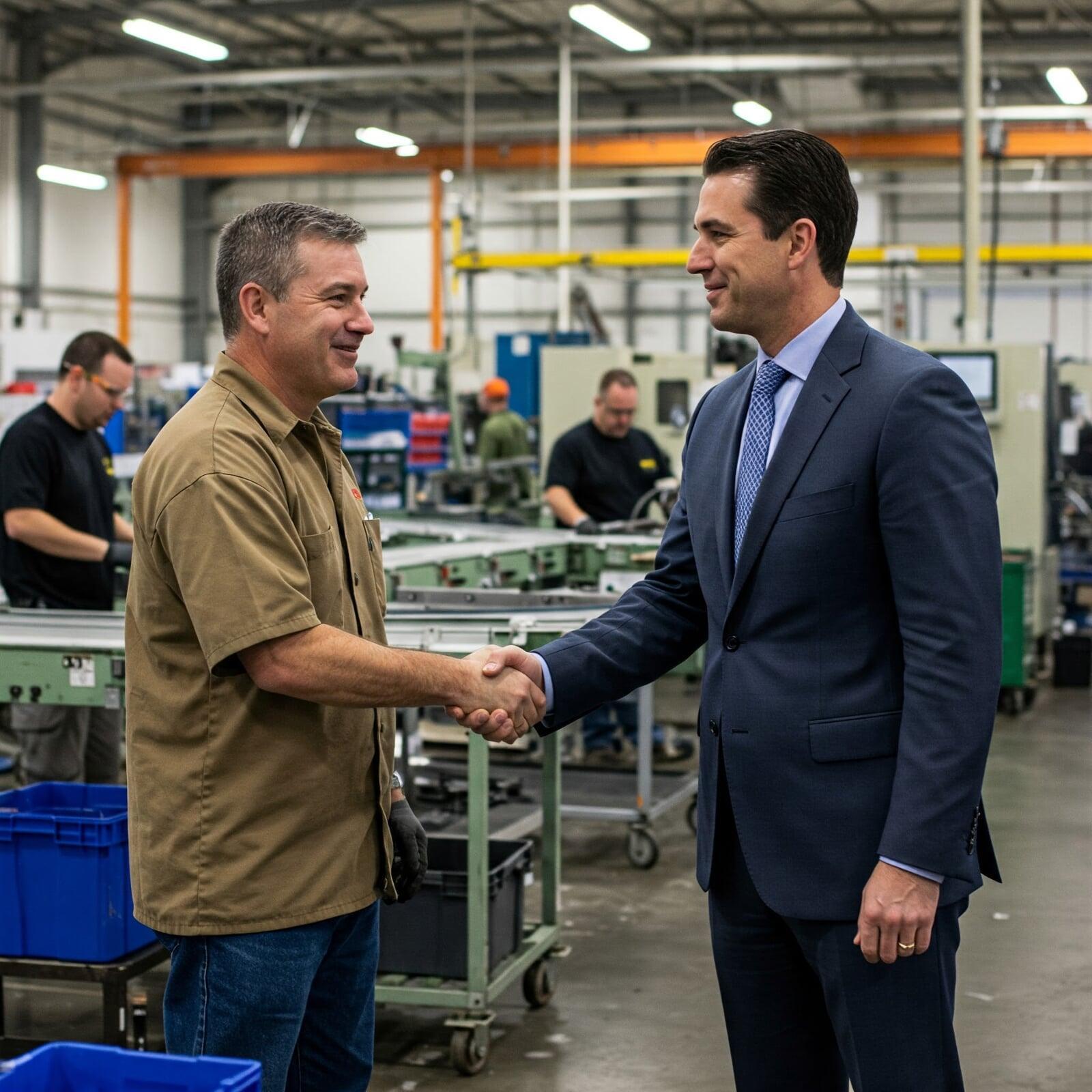
Manufacturing platforms, industry organizations, and hardware startup communities play an important role in connecting OEM teams with capable suppliers. By participating in these networks and contributing engineering expertise during product development, manufacturers can position themselves as trusted partners for consumer electronics production. 

Manufacturers who combine strong technical capabilities with active participation in industry platforms and engineering ecosystems will be best positioned to support the next generation of consumer electronics innovation. 


Manufacturers looking to expand their presence in the consumer electronics industry benefit from participating in platforms where engineering teams and OEM companies actively search for production partners. 

By building visibility within product development ecosystems and contributing manufacturing expertise early in the design process, suppliers can strengthen relationships with innovative hardware companies and increase opportunities to win long-term manufacturing contracts. 

Platforms like Trustbridge help manufacturers showcase their capabilities, connect with engineering teams, and participate in the development of next-generation consumer electronics products. 

Frequently Asked Questions (FAQs)

1. How do manufacturers connect with consumer electronics OEMs? 

Manufacturers often connect with consumer electronics OEMs through specialized manufacturing platforms, engineering communities, and industry networks. These ecosystems allow suppliers to showcase their capabilities and engage with companies developing new hardware products. 


2. Why are manufacturing platforms important for suppliers in the electronics industry? 

Manufacturing platforms help suppliers gain visibility with product developers and OEM teams searching for production partners. These platforms simplify supplier discovery and allow manufacturers to participate in early discussions around prototyping, production, and product scaling. 


3. How do partnerships help manufacturers win consumer electronics manufacturing contracts? 

Partnerships allow manufacturers to collaborate earlier with engineering teams during product development. By contributing insights on design for manufacturability, assembly processes, and supply chain planning, manufacturers can position themselves as strategic partners rather than just production vendors. 


4. What role do industry organizations play in electronics manufacturing partnerships? 

Industry organizations such as electronics manufacturing associations provide networking opportunities, technical standards, and collaboration forums where manufacturers and OEMs can build long-term relationships within the electronics ecosystem. 

Trustbridge Design and Manufacturing Team

Trustbridge Design and Manufacturing Team