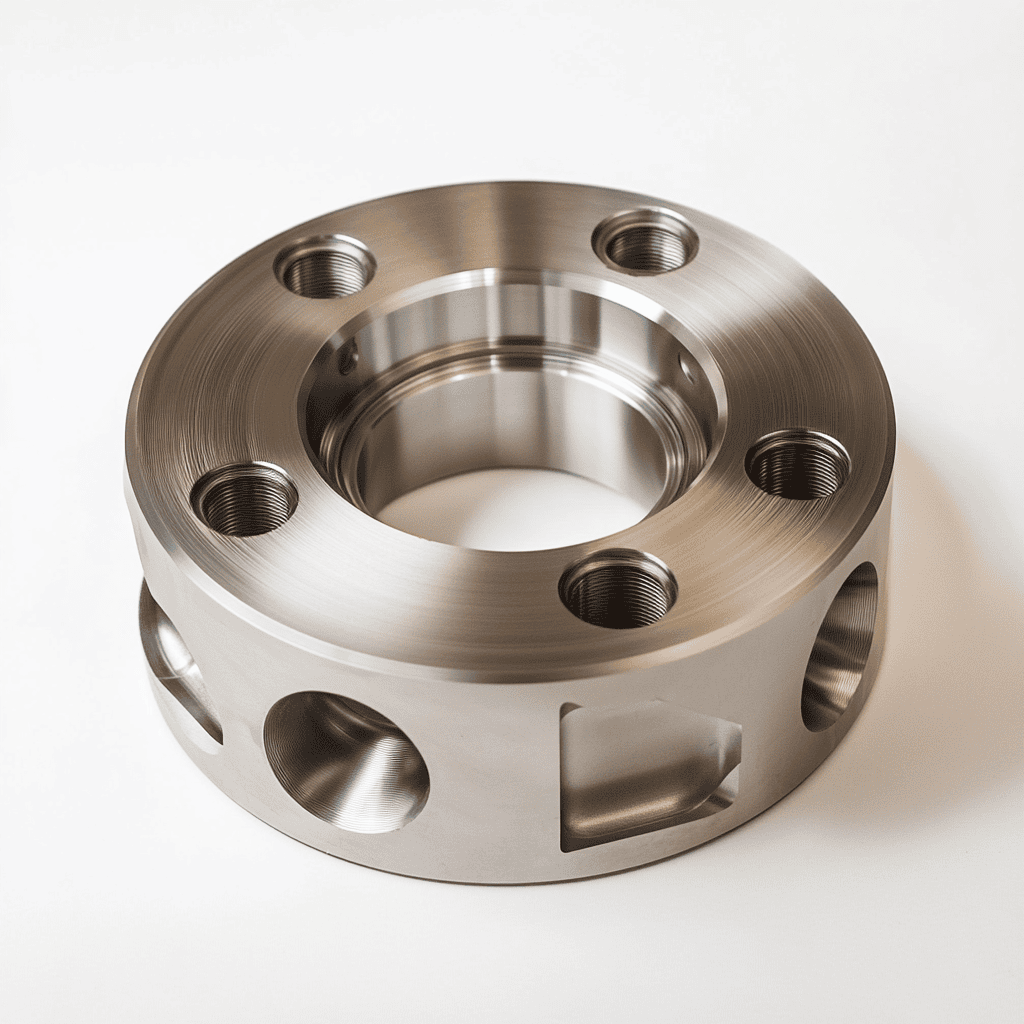
Bring casting considerations into the design
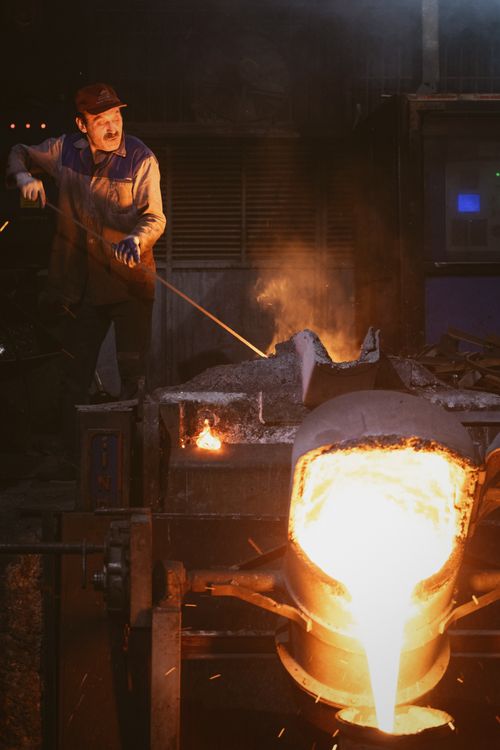
Standard Casting Tolerances & Specifications
Process | Typical Tolerance | Surface Finish (Ra) | Best For... |
Die Casting | ±0.002" | 32-63 | High Volume, Thin Walls |
Investment | ±0.005" | 63-125 | Complex Detail, Hard Alloys |
Sand Casting | ±0.030" | 250-500 | Large Parts, Low Tooling Cost |
Consider alloy requirements during design.
Consider alloy requirements during design.
Aluminum Alloys: A356, A319, 6061, 7075, ADC12
Steel Alloys: Carbon steels, alloy steels, stainless steels (304, 316, 17-4)
Iron Alloys: Gray iron, ductile iron
Copper Alloys: Brass, bronze, beryllium copper
Nickel-Based Alloys: Inconel, Monel
Titanium Alloys: CP titanium, Ti-6Al-4V
Zinc Alloys: Zamak 3, Zamak 5, ZA-8
Our team helps optimize alloy selection for strength, thermal properties, corrosion resistance, and cost efficiency.
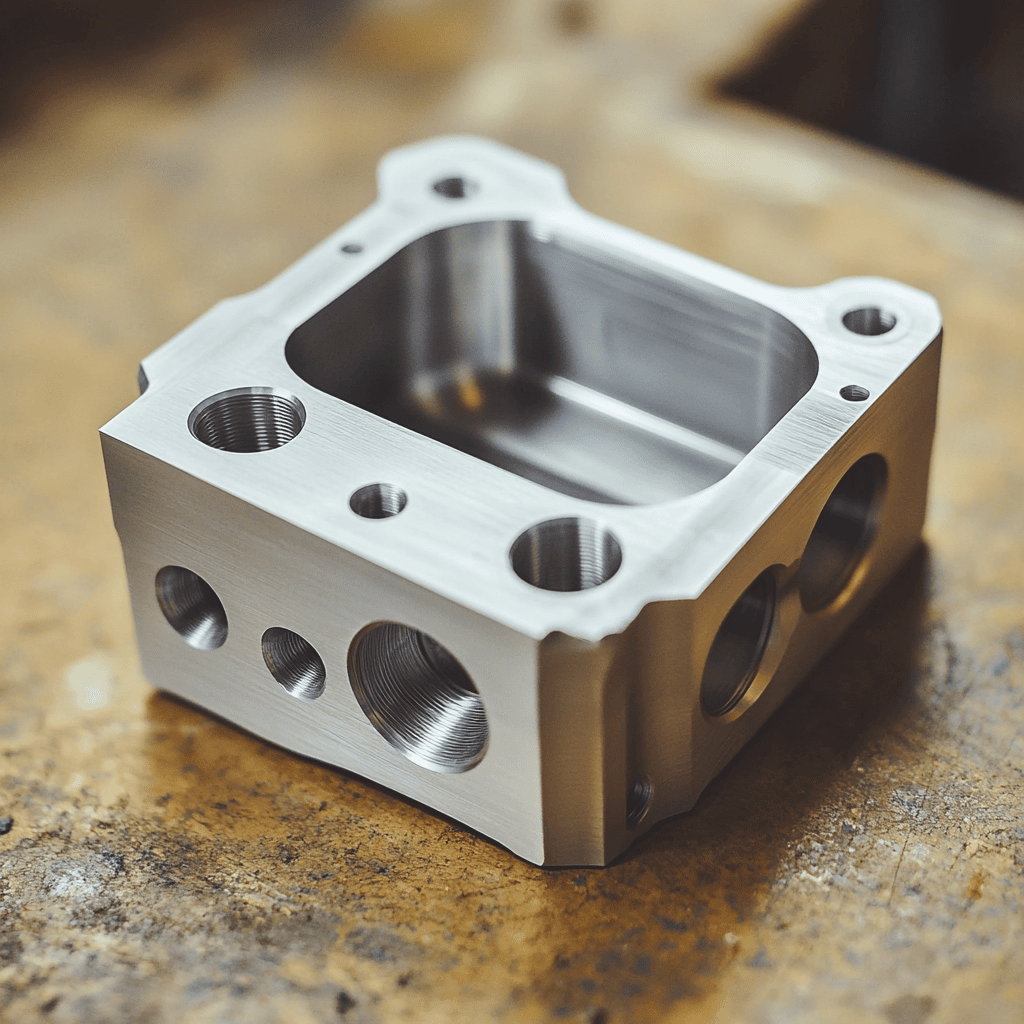
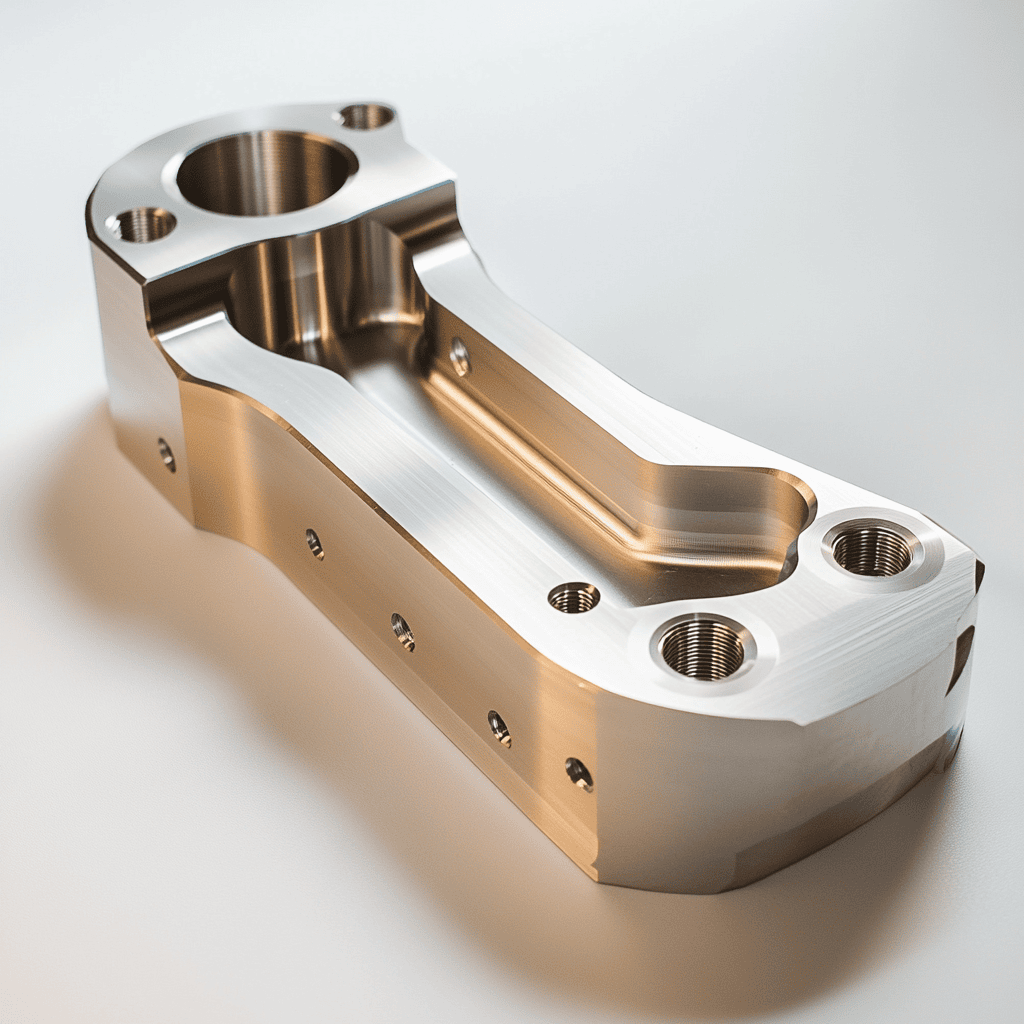
Different casting processes, different design questions.
- Design for sand casting: Consider wall geometry, draft, parting, core requirements, and machining allowances in relation to the part’s function.
- Design for investment casting: Consider geometry, section transitions, pattern and shell considerations, dimensional requirements, and any later machining.
- Design for die casting: Consider wall geometry, draft, parting, ribs, and features that may require slides, inserts, or further process-specialist review.
- Process-specific review: Identify questions about alloy suitability, tooling, heat treatment, inspection, and validation that require input from the relevant specialists
Industries We Serve
Industries We Serve
Tell us what the part needs to do, where it will operate, how it interfaces with other components, and what requirements must be met. These inputs help define the design work and the questions that require further evaluation.
Aerospace & Defense
Automotive & EV
Industrial Equipment & Machinery
Energy (Oil, Gas, Power)
Construction & Infrastructure
Medical Devices & Surgical Equipment
Marine, Rail, and Heavy Transport
Aerospace & Defense
Automotive & EV
Industrial Equipment & Machinery
Energy (Oil, Gas, Power)
Construction & Infrastructure
Medical Devices & Surgical Equipment
Marine, Rail, and Heavy Transport