  • Value Engineering (VAVE) & Product Redesign Services 

    Reduce product costs by 30%+ through Design to Cost (DTC) methodologies. We optimize your Bill of Materials (BOM), consolidate parts, and modernize legacy designs for scalable manufacturing.

Strategic Product Cost Reduction 

At Trustbridge, we help companies redesign existing parts and assemblies to reduce cost, improve performance, and simplify manufacturing. Whether you're looking to lower your bill of materials (BOM), optimize for a new process, reduce part count, or improve a product’s reliability and aesthetics, our engineering team delivers strategic redesigns that make a measurable impact.  We combine mechanical design expertise with deep manufacturing knowledge — so every design decision is made with the realities of cost, scalability, and sourcing in mind. The result: parts that are easier to build, cheaper to produce, and better at doing their job.

What We Offer
Cost Reduction Redesign

Cost Reduction Redesign

Slash unnecessary complexity, features, and cost.
Our Value Analysis Value Engineering (VAVE) process targets the root causes of high COGS. We identify inefficient geometries, over-toleranced features, and expensive materials that drive up unit costs without adding customer value.

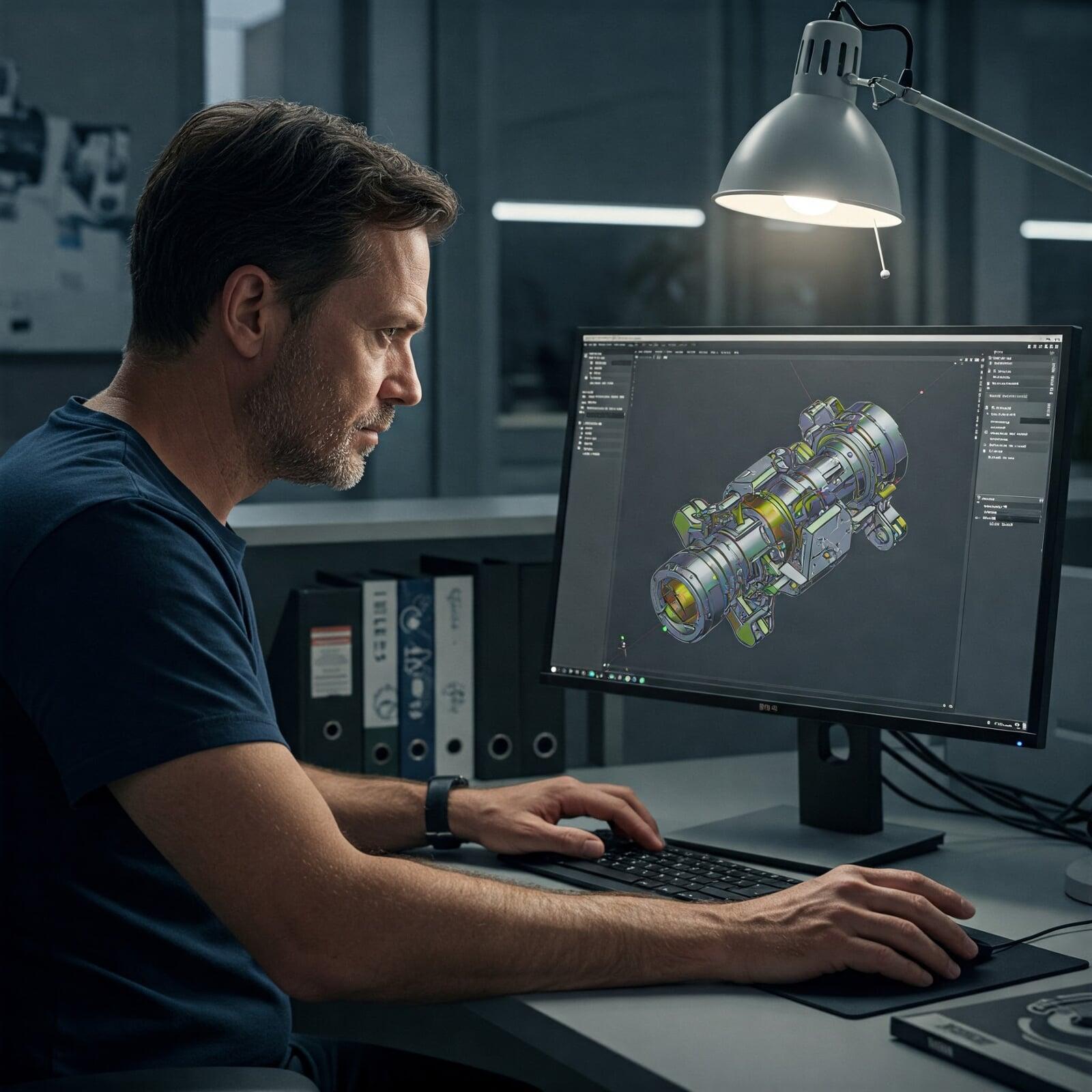
We analyze your current parts, assemblies, and manufacturing method to identify areas for cost savings. Whether it's machining time, material waste, custom fasteners, or outdated geometry, we redesign for efficiency — without sacrificing function.

  • Material Substitution & Selection with lower-cost equivalents

  • Redesign features to reduce machining or mold complexity

  • Part Consolidation (DFMA) into a single feature

  • Process Conversion (CNC to Casting) (e.g., machining) with molded-in features or cast geometry

  • Design for volume — optimize for the quantities you're producing now and later

Performance Enhancement Redesign

Strengthen, lighten, or refine your part’s performance.
We help clients increase part durability, strength-to-weight ratio, thermal performance, vibration resistance, or aesthetics by refining geometry, material selection, or design architecture.

  • Add ribs, gussets, or support structures for improved load bearing

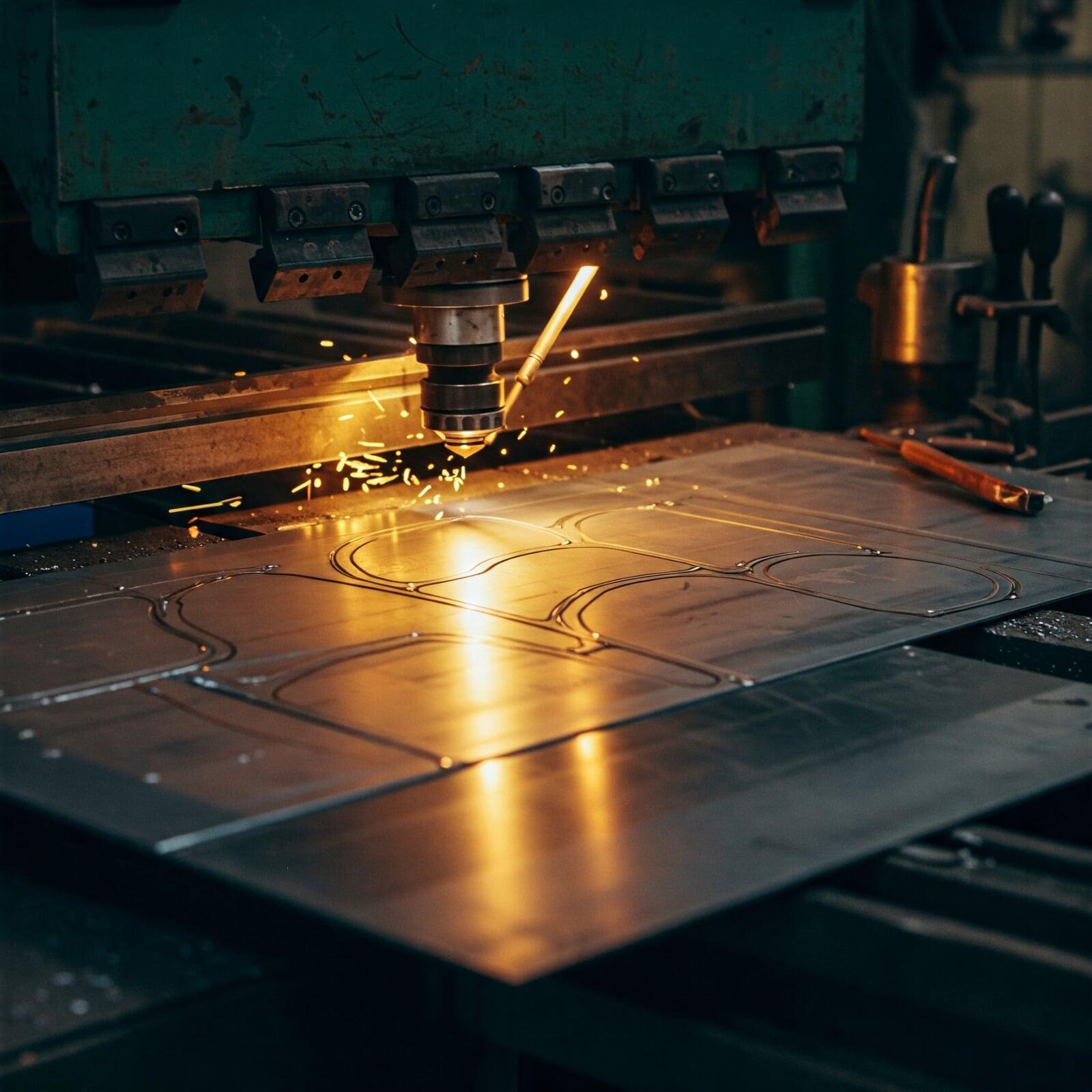
  • Transition from sheet metal to machined or molded design for tighter tolerances

  • Reduce weight for moving assemblies or handheld products

  • Improve fluid flow, cooling, or airflow with CFD-informed tweaks

  • Upgrade finishes for corrosion resistance or cosmetic appeal

Performance Enhancement Redesign
Design Conversion for Process Optimization

Design Conversion for Process Optimization

Adapt your design for a new manufacturing method.
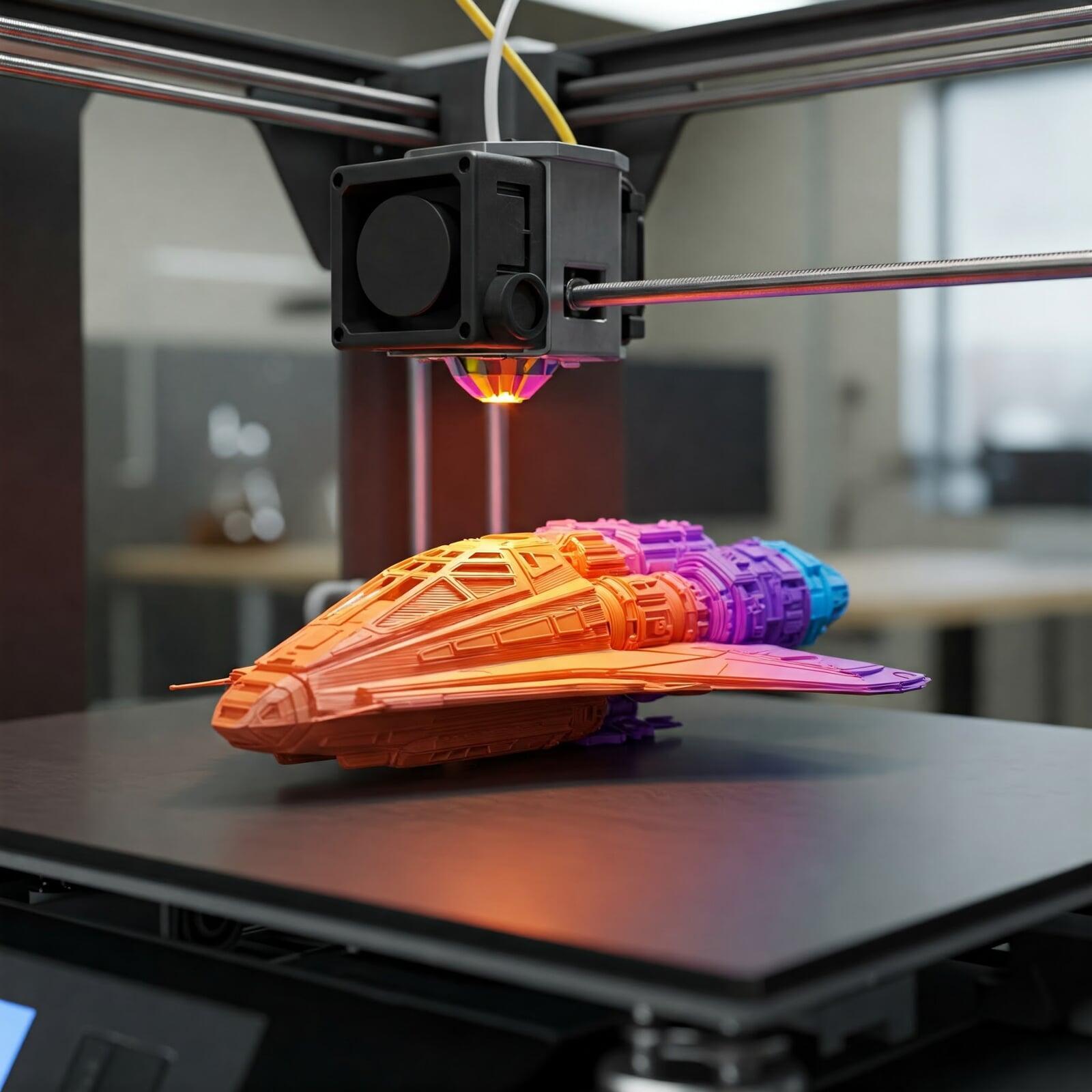
Sometimes the biggest cost or performance gains come from switching how you make the part. We help you redesign parts originally made for one process (e.g., CNC machining) to be produced more efficiently via casting, molding, sheet metal, or 3D printing.

  • CNC to die casting

  • Machined enclosures to sheet metal

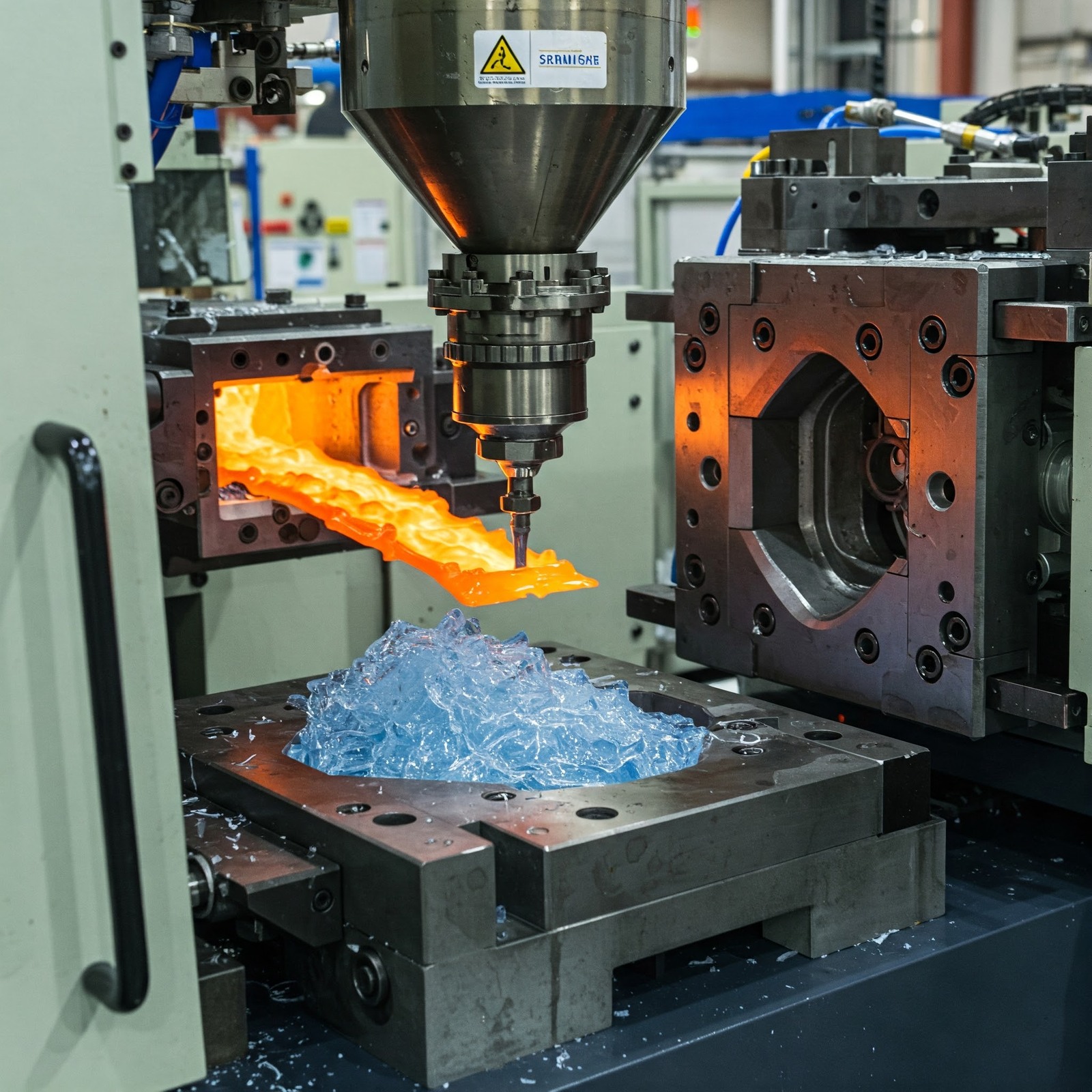
  • Assembled parts to injection molded components

  • High-volume machined parts to MIM

  • Low-volume molded parts to urethane casting

We ensure the part works as intended while aligning with the process's tolerances, shrinkage, draft angles, and other requirements.

Strategic BOM Optimization

Reduce part count. Standardize components. Source smarter.
We take a step back and look at your full system or assembly. Where can you combine parts? Use off-the-shelf components? Eliminate non-critical specs? A streamlined BOM isn’t just cheaper — it’s more scalable, less risky, and easier to manage.

  • Fastener consolidation

  • Hardware standardization

  • Fewer part numbers = easier sourcing and lower MOQ

  • Modular redesigns for part reusability across SKUs


Strategic BOM Optimization
Who Benefits from a Redesign

Who Benefits from a Redesign?


    Redesign is a high-leverage move for:

    • Startups seeking to launch lean and hit target margins

    • Growing companies scaling production and facing rising COGS

    • OEMs with legacy products no longer cost-competitive

    • Procurement teams looking to reduce vendor lock-in or consolidate suppliers

    • Product managers tasked with improving quality or reducing warranty claims

    Whether you're reacting to price pressure or proactively increasing value, redesign is a powerful tool.

Our Redesign Process

Project Kickoff → CAD files, physical samples, BOM, goals → Engineering review + redesign plan
Cost/Performance Audit → Material, process, and tolerance analysis → Opportunities for savings or improvement
Redesign Execution → Design intent & constraints → New CAD models, 2D drawings, and documentation
Review & Validation → Your feedback or test data → Final production-ready files
Manufacturing Handoff → Target process and suppliers → Trusted vendor match and DFM check

Redesign process