  • Design for injection molding.

     Trustbridge helps product developers consider injection-molding requirements as they develop and refine their designs. We bring manufacturing knowledge into decisions about wall geometry, draft, parting lines, materials, dimensional requirements, and the part’s intended use

Bring molding considerations into the design

 Injection molding creates practical questions around geometry, materials, tooling, and assembly. Our studio helps you consider these questions during design and identify what needs refinement or further evaluation before moving toward production.
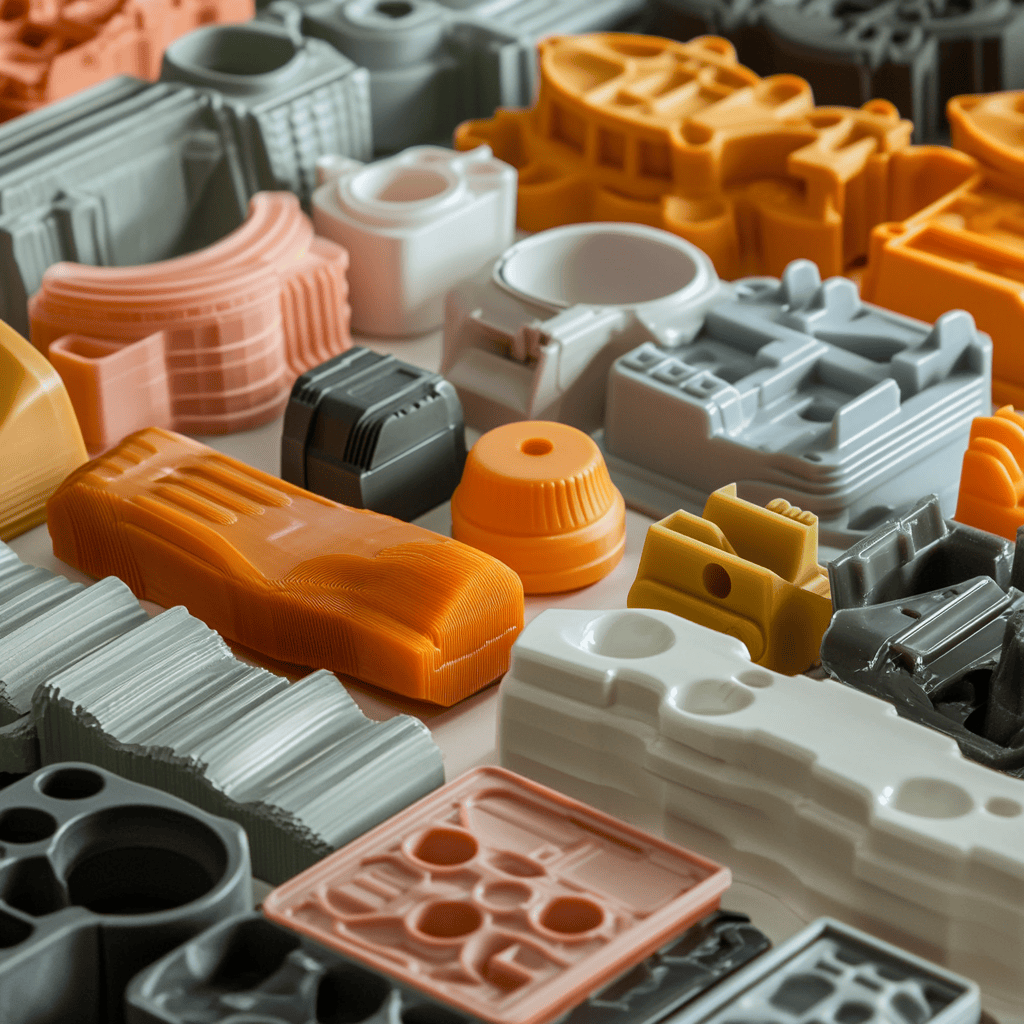
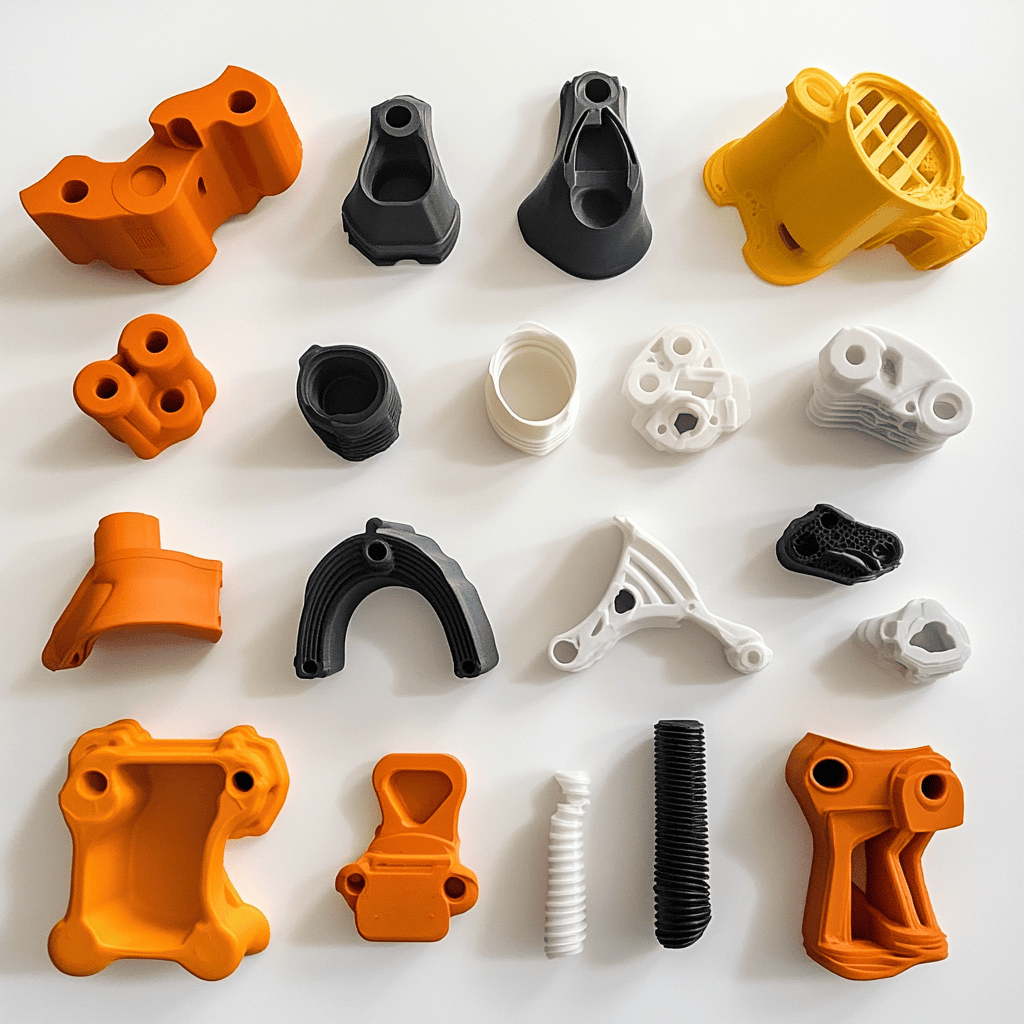
Plastic injection molding is ideal for precision and repeatability at scale.

Define the dimensions and surfaces that matter

Start with the part’s function, interfaces, and fit requirements. During design review, consider how geometry, material shrinkage, tooling, and the intended molding approach may affect those requirements.

  • Critical features: Identify mating surfaces, snap-fits, holes, and dimensions that influence fit or function.

  • Geometry and tooling: Review wall transitions, draft, parting lines, and features that may require additional tooling or specialist input.

  • Finish and validation: Define texture, appearance, assembly, and surface-function requirements, along with any inspection or testing needs.

Consider material requirements during design.

Material decisions should reflect the part’s purpose and intended molding approach. We help you identify requirements to consider and the material questions that need further evaluation.

  • Commodity Thermoplastics:

    • Polypropylene (PP)

    • Polyethylene (PE)

    • Polystyrene (PS)

    • ABS

  • Engineering Thermoplastics:

    • Nylon (PA6, PA66)

    • Polycarbonate (PC)

    • POM (Delrin/Acetal)

    • Polyetherimide (Ultem)

    • Polyphenylene Sulfide (PPS)

    • PEEK

  • Elastomers & Blends:

    • TPE, TPU, Santoprene

    • PC/ABS, Nylon/Glass-Filled

  • High-Performance & Specialty:

    • Flame-retardant grades

    • UV-stable resins

    • Medical- and food-grade materials

    • Bioplastics and sustainable resins


Materials We Support in Injection Molding
Technologies in Our Injection Molding Network

Different molding approaches, different design questions

The intended molding approach influences geometry, materials, tooling, and assembly. We help you consider these questions as the design develops.

  • Part geometry: Consider wall thickness, transitions, ribs, bosses, draft, and the features important to the part’s function
  • Tooling considerations: Review parting lines, undercuts, and questions about gates, ejection, and tooling access that may require specialist review.
  • Overmolding and inserts — scope to confirm: Consider interfaces, material compatibility, retention, and dimensional requirements where combined materials or inserts are part of the design.
  • Process-specific review: Identify questions about shrinkage, warpage, tooling, and validation that need input from the relevant specialists.

Industries We Serve

Tell us what the part needs to do, where it will operate, how it interfaces with other components, and what requirements must be met. These inputs help define the design work and the questions that require further evaluation

  • Medical Devices & Healthcare

  • Automotive & Electric Vehicles

  • Consumer Electronics & IoT

  • Industrial Equipment

  • Toys, Sporting Goods & Retail Products

  • Food Packaging & Storage

  • Aerospace Interiors & Components


From low-volume pilot runs to full-scale global production, we have the network and systems to support your growth.

Plastic injection molding supports precision manufacturing

Explore Related Services

3D Printing

3D Printing

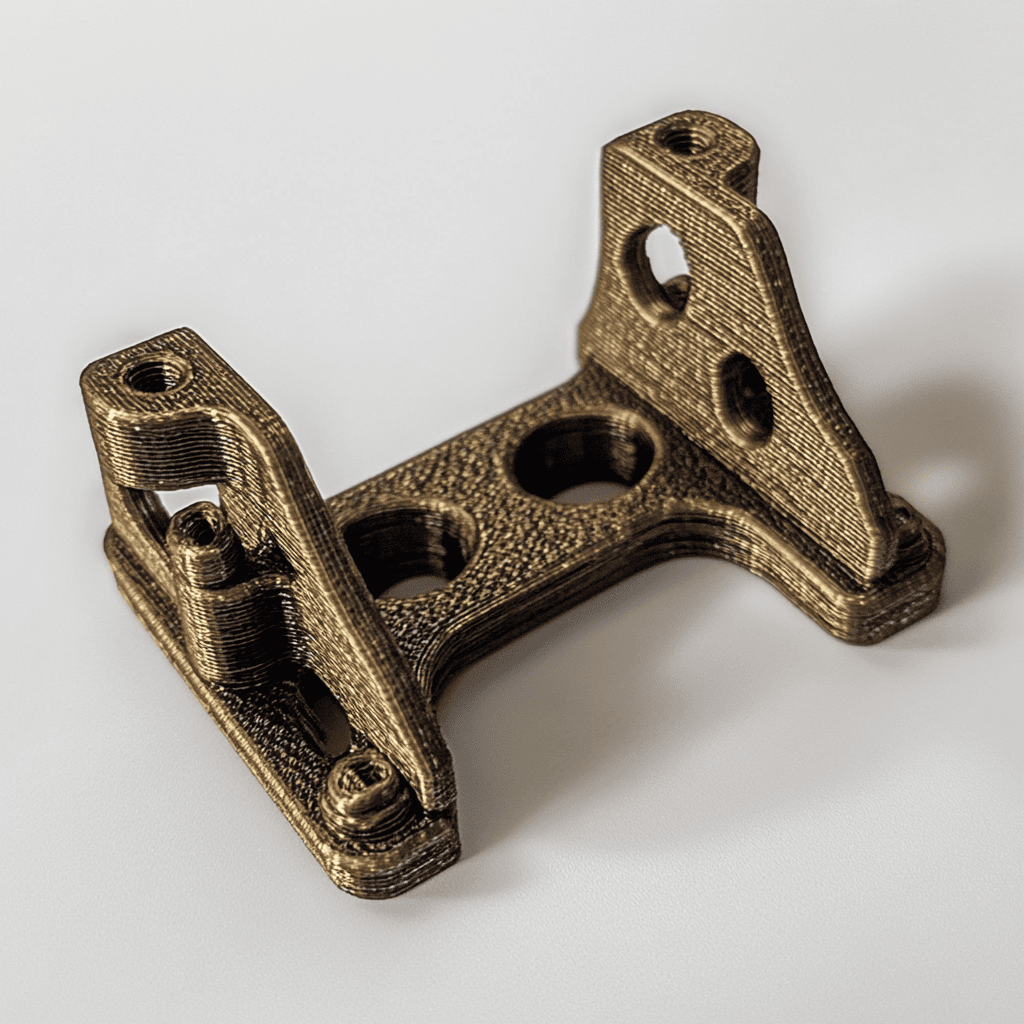
Rapid, cost-effective prototyping and low-volume production with complex geometries and minimal tooling. 
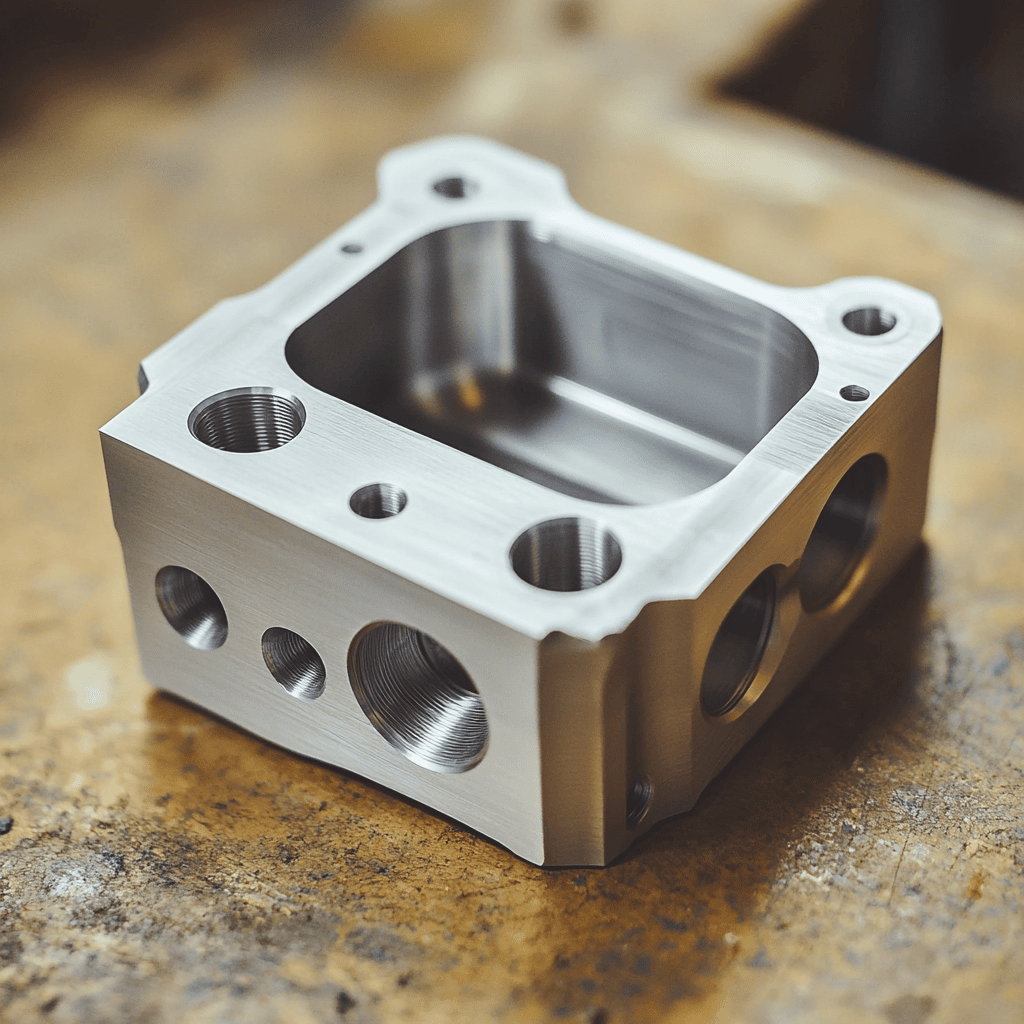
CNC Machining

CNC Machining

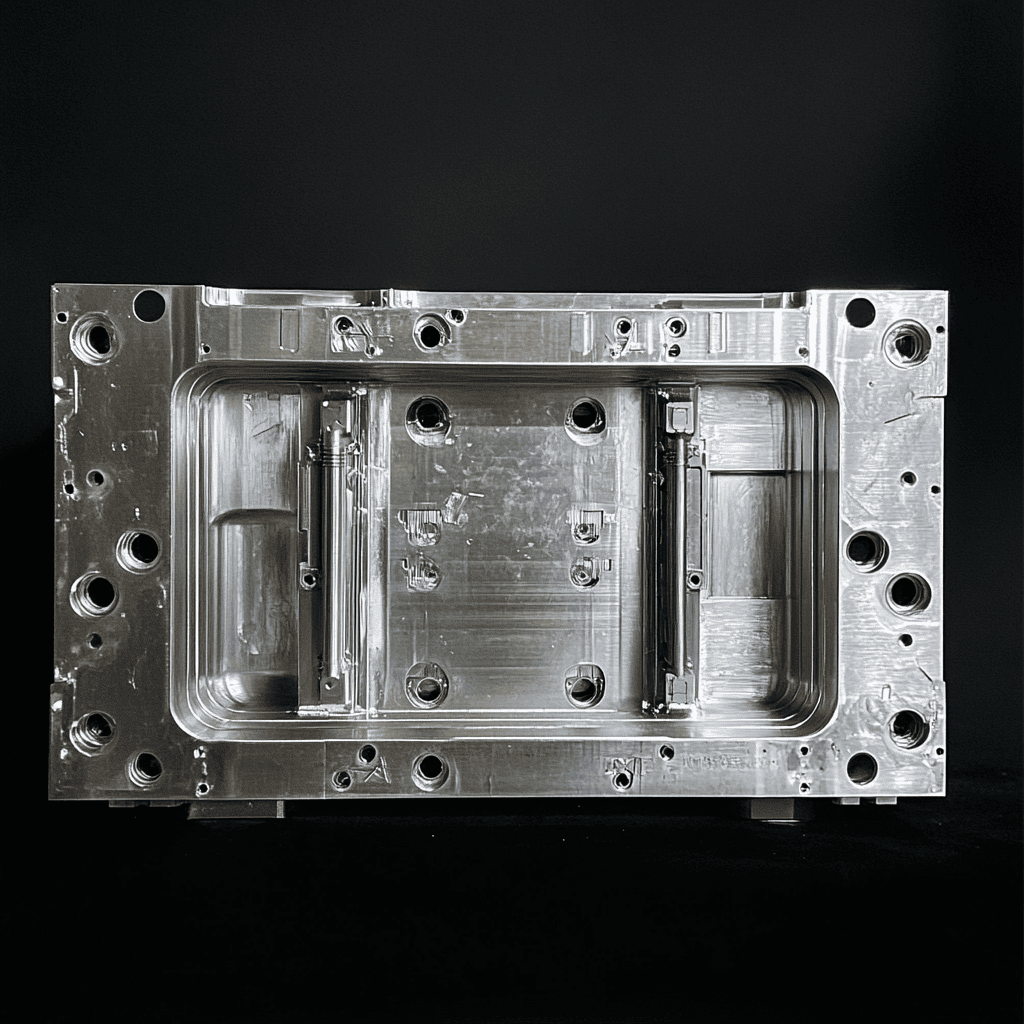
Precision-cut metal and plastic parts with tight tolerances and excellent surface finish — ideal for prototyping and production. 
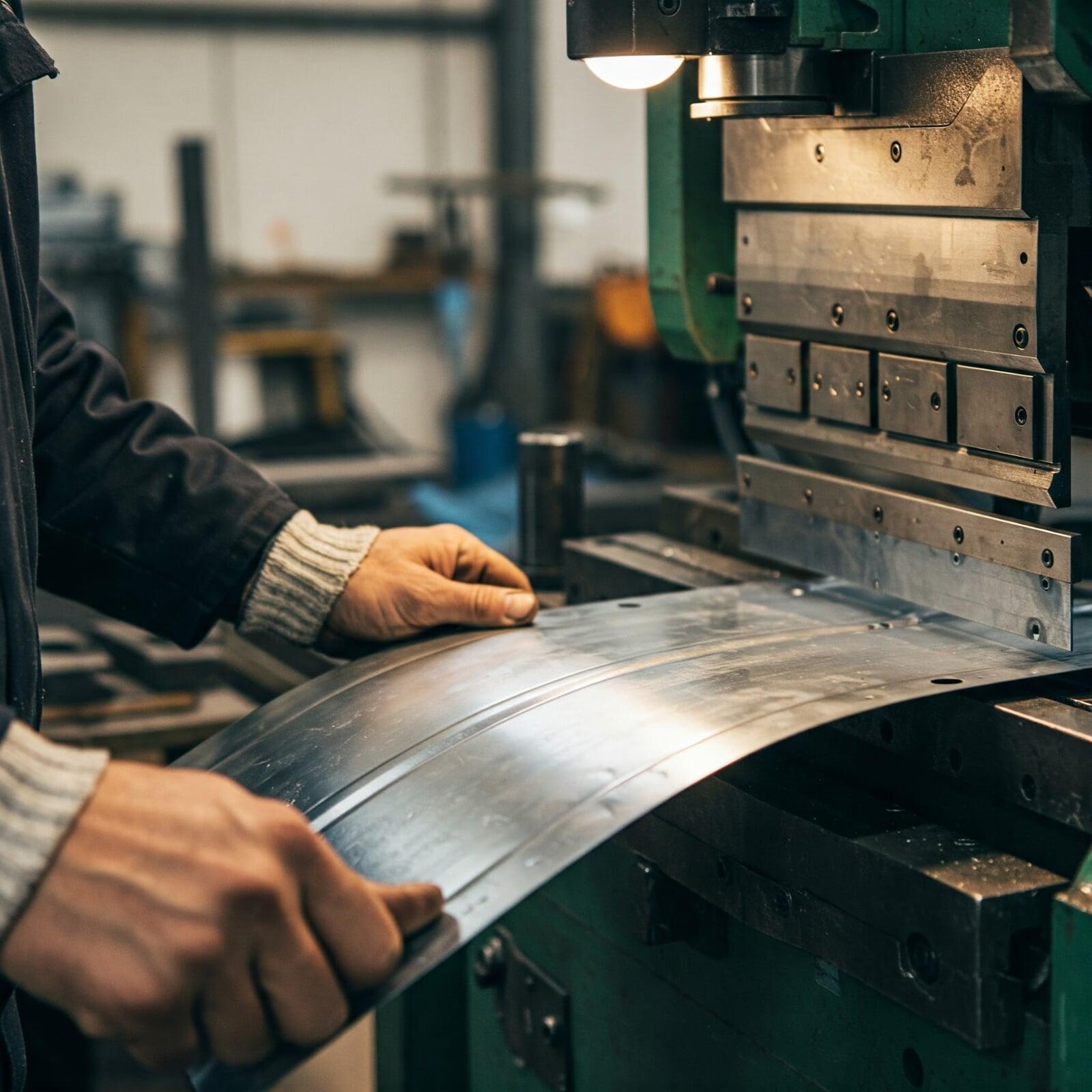
Sheet Metal Fabrication

Sheet Metal Fabrication

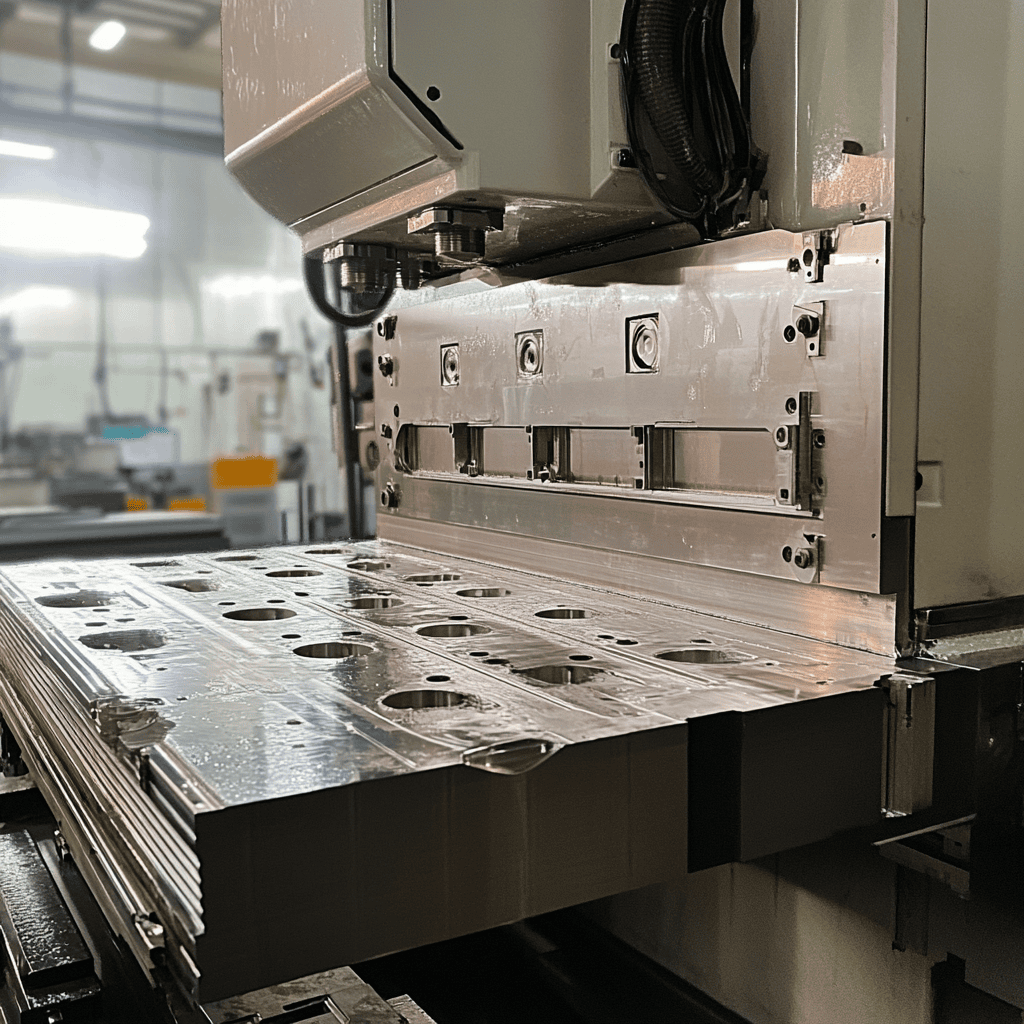
Cut, bend, and assemble custom enclosures, brackets, and panels — scalable from prototypes to full production runs.
Got a take? Take the State of Manufacturing 2026 survey.

Take the survey