Bridge Tooling & Low-Volume Manufacturing
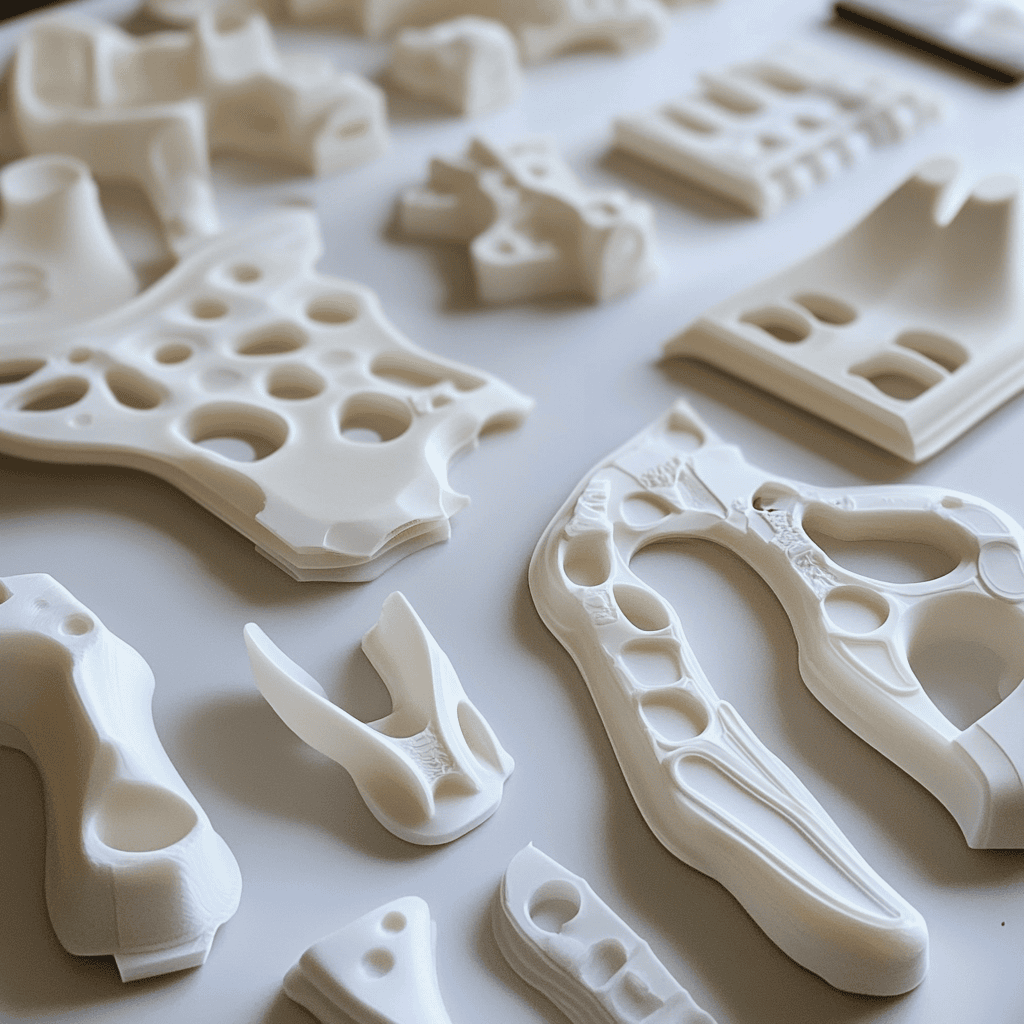
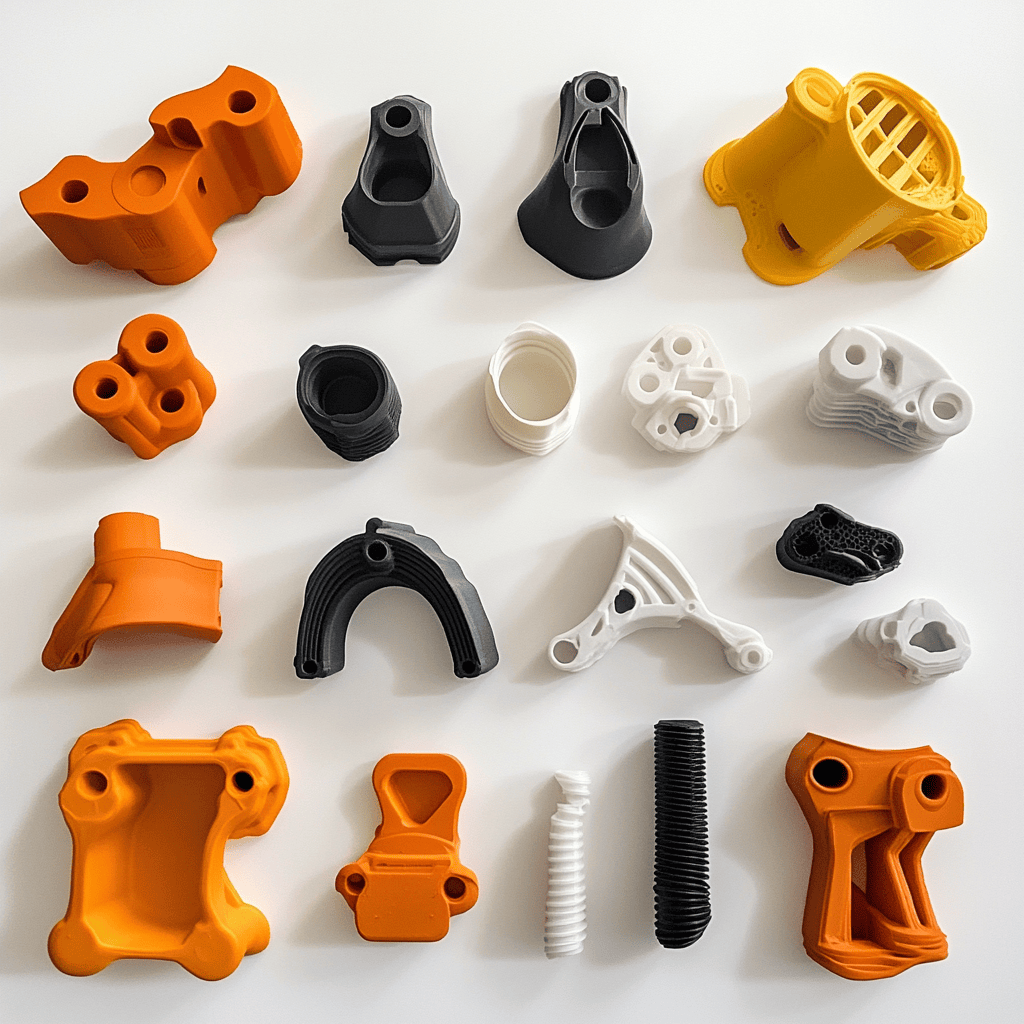
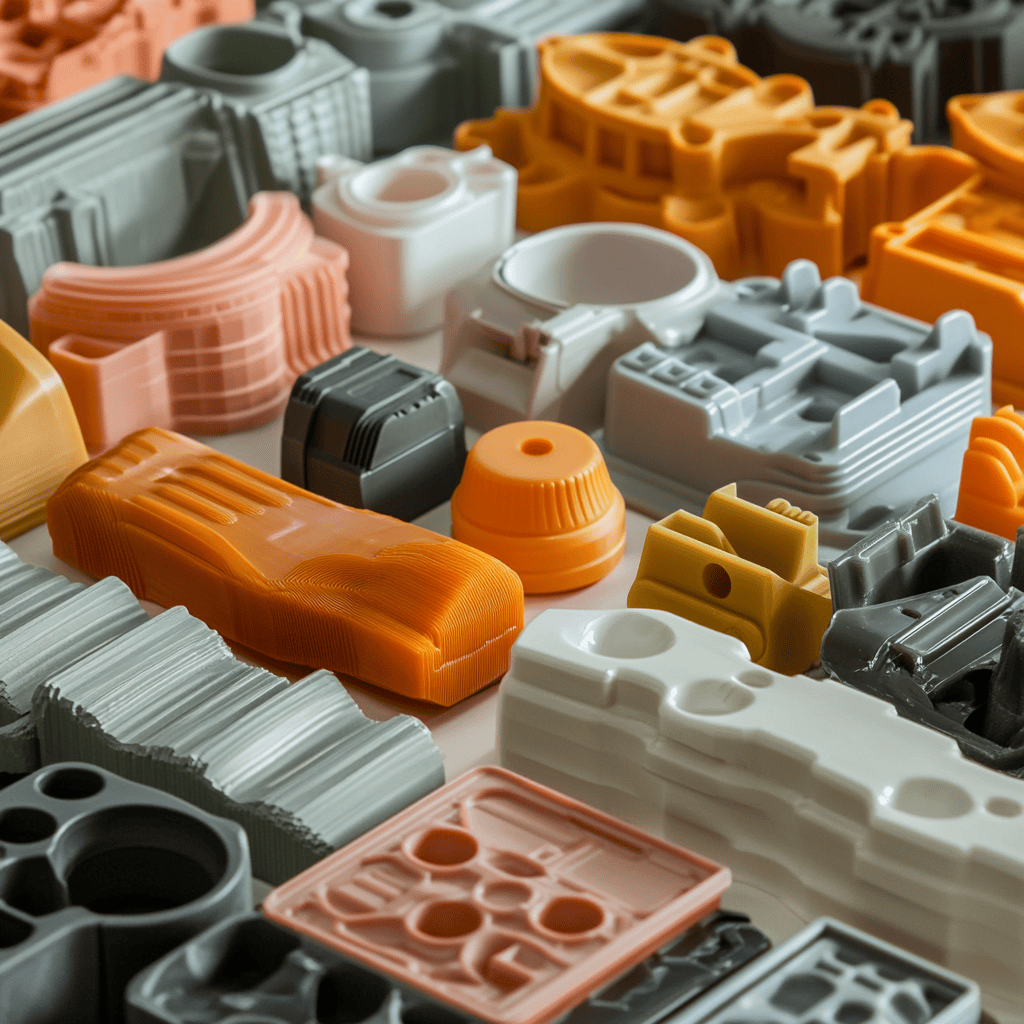
The Trustbridge network covers urethane and silicone casting — the bridge between 3D printing and injection molding for short-run prototypes, marketing samples, and low-volume production. Vacuum casting uses a 3D-printed master pattern to create a silicone mold, producing 20–50 production-grade parts without hard tooling. Every casting partner in the network is vetted.


Frequently Asked Questions
What’s the difference between urethane and silicone casting?
Urethane casting is used for rigid and flexible plastic-like parts. Silicone casting is ideal for rubbery, soft, or heat-resistant parts.
Can I get clear or tinted parts?
Yes — we offer water-clear urethanes and pigmented resins in custom or Pantone-matched colors.
How many parts can be made per mold?
Typically 20–25 shots per mold, depending on geometry and resin chemistry.
What file types do you accept?
STEP, IGES, STL, and native CAD files for master pattern production.
Can you handle overmolding or dual-shot parts?
Yes — many partners offer soft-over-hard or two-material casting options.