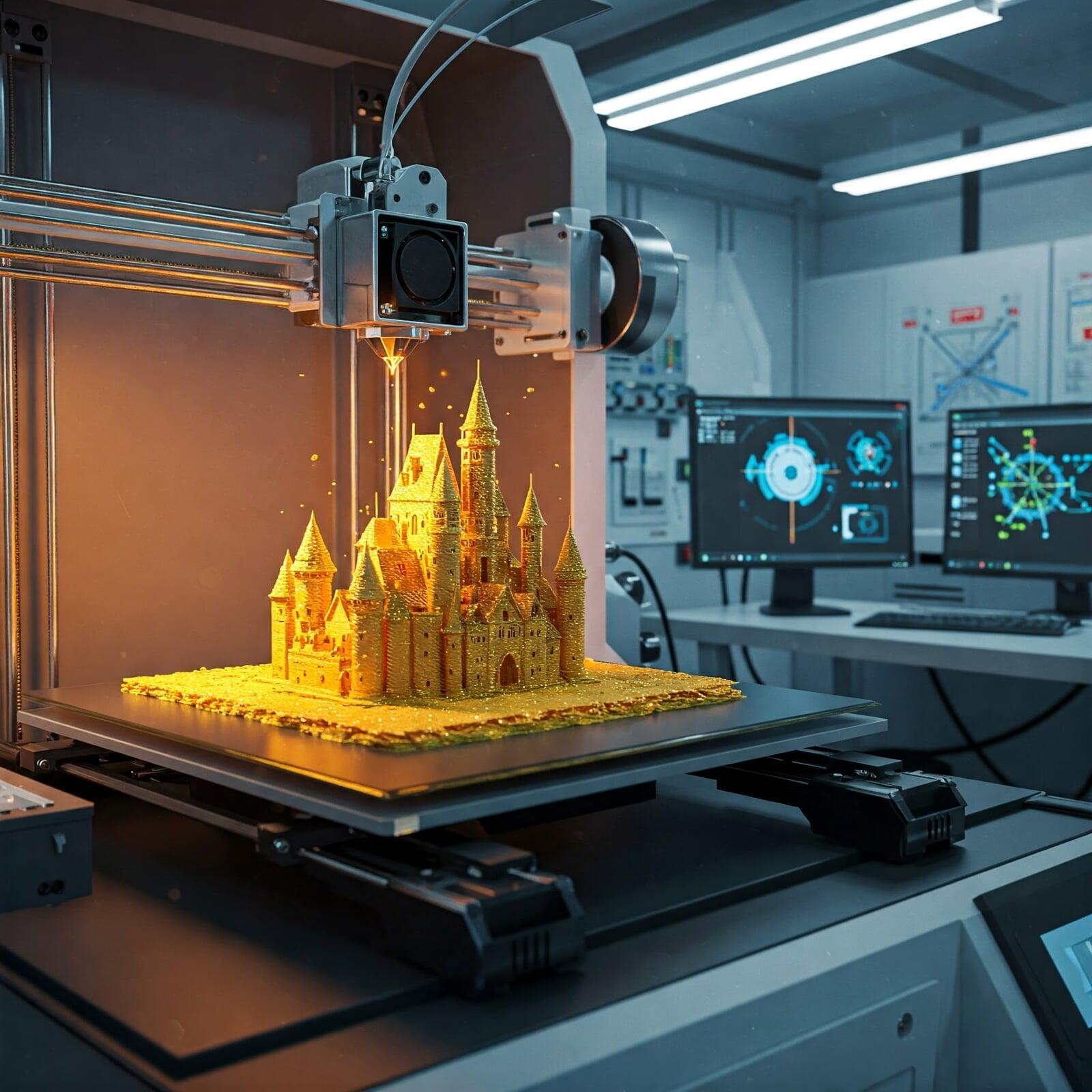
Bring additive manufacturing into the design discussion.
3D printing creates both design opportunities and practical constraints. We help you consider the part’s purpose, geometry, and manufacturing approach, and identify questions to resolve before moving toward production
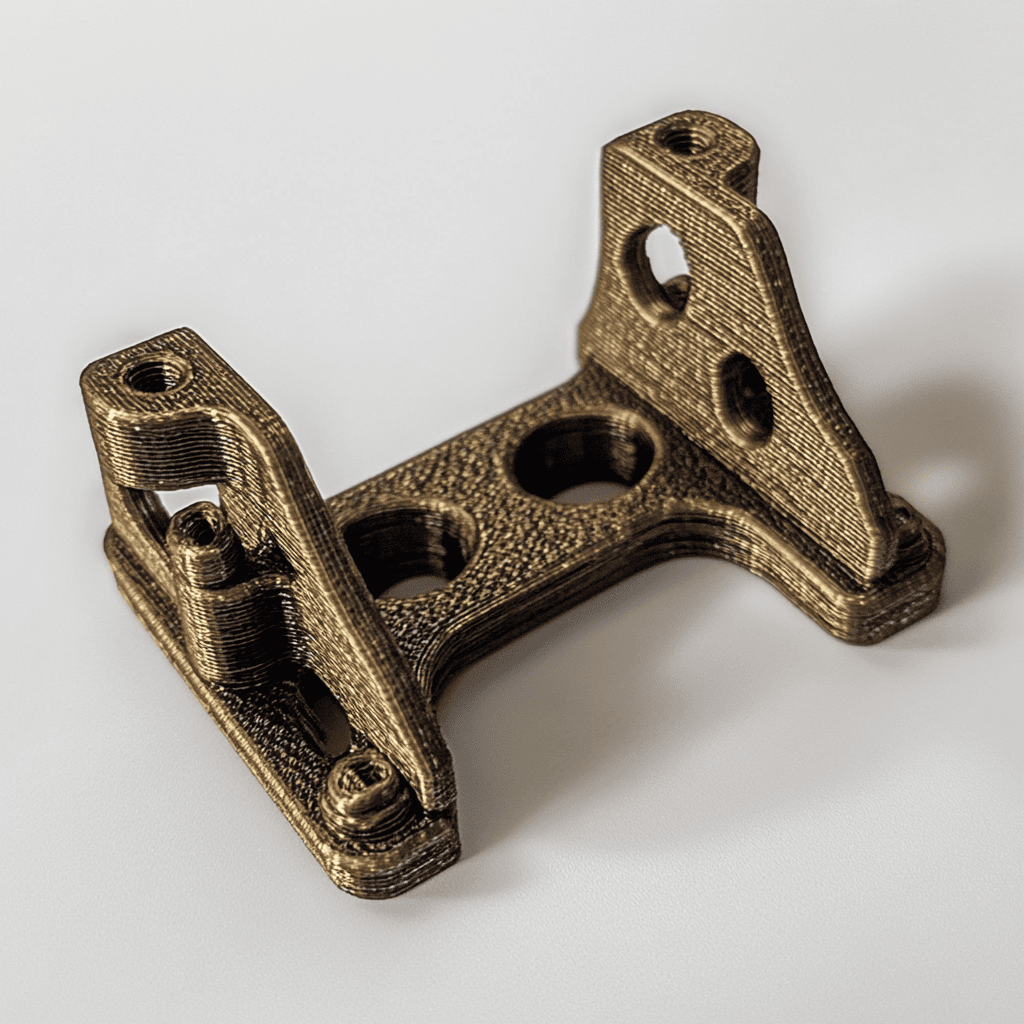
What Tolerances Can You Expect?
What Tolerances Can You Expect?
Critical features: Identify interfaces, fit requirements, holes, mating surfaces, and other features that need particular attention.
- Process considerations: Review geometry and orientation against the intended process rather than assuming one tolerance applies to every feature
- Validation needs: Clarify which dimensions, surfaces, or functions will need inspection, testing, or further review before the design is used in production.
Consider materials alongside the design.
Consider materials alongside the design.
Thermoplastics (FDM/FFF): PLA, ABS, Nylon (PA11, PA12), PETG, TPU, PC
Powder-Based Polymers (SLS, MJF): PA12, PA12-GF, PA11, PP
Photopolymers (SLA/DLP): Tough, Flexible, High Temp, Castable, Biocompatible resins
Metals (DMLS/SLM): Stainless Steel (316L), Aluminum (AlSi10Mg), Titanium (Ti64), Inconel, Tool Steel
Composites: Carbon fiber-filled nylon, fiberglass-reinforced polymers
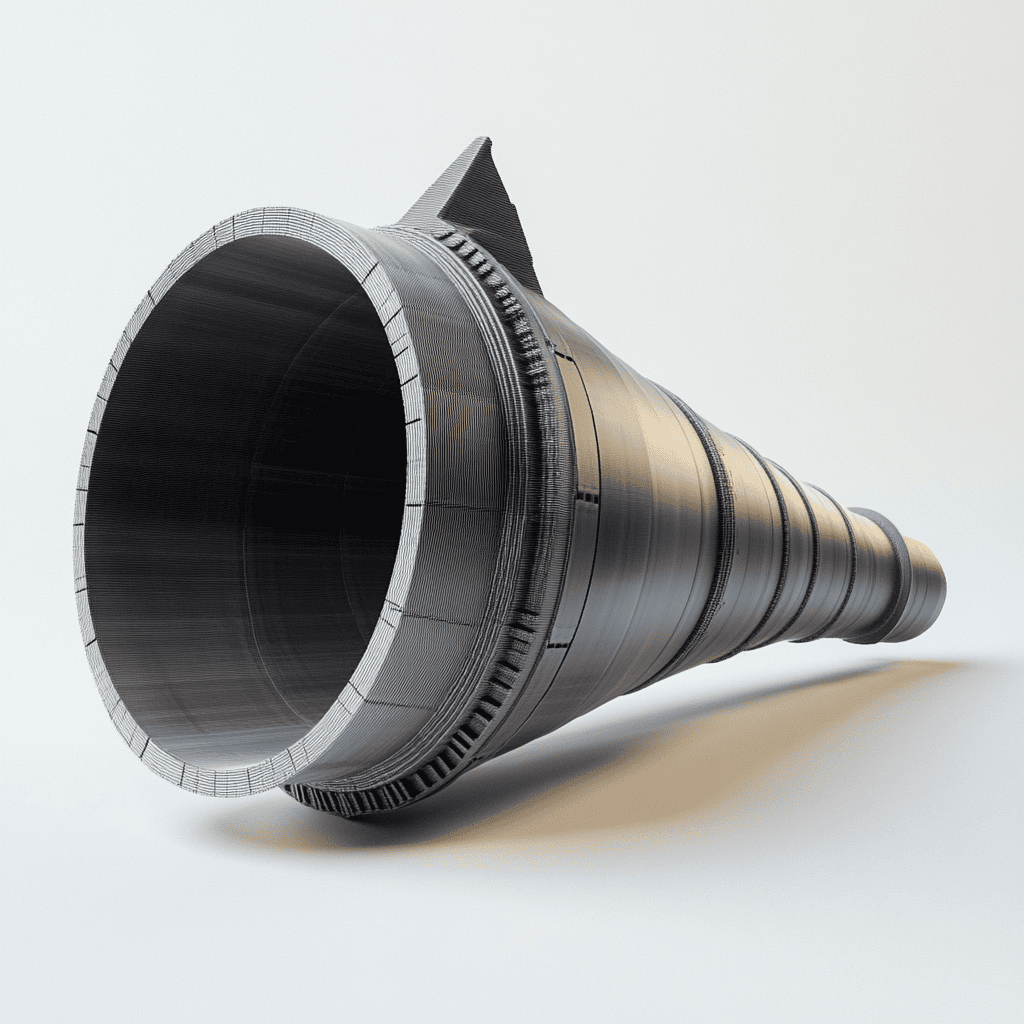
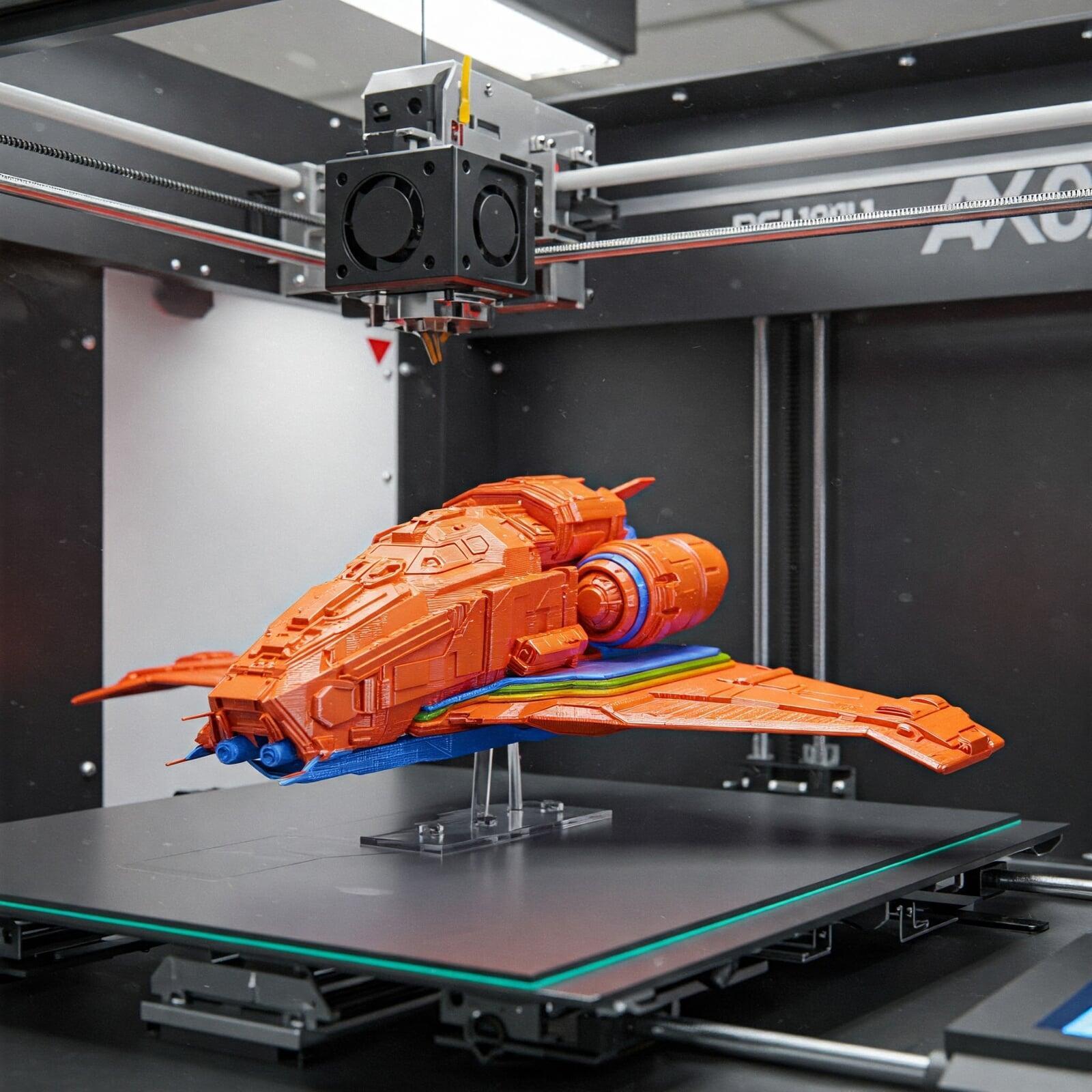
Different additive processes, different design considerations.
Different additive processes, different design considerations.
FDM / FFF (Industrial Thermoplastics) : Cost-effective prototyping, large-format parts
SLS (Selective Laser Sintering): Strong, unfilled or glass-filled nylon parts with excellent surface quality
HP Multi Jet Fusion (MJF) - PA11/PA12 : High repeatability for production-grade thermoplastic parts
SLA Resin Printing (High Resolution) : High-detail, smooth-surfaced parts and functional resins
Metal 3D Printing (DMLS / SLM) : Functional end-use metal parts in aerospace, medical, and industrial sectors
Carbon DLS / HP Jet Fusion / PolyJet: For special applications needing elastomers, color, or ultra-smooth finishes
Industries We Serve
Industries We Serve
Aerospace & UAVs
Medical Devices & Dental
Consumer Electronics
Automotive & EV
Robotics & Industrial Automation
Footwear & Apparel
Architecture & Product Design
Our partners are equipped for projects ranging from concept validation to production-grade, end-use parts.