  • Rapid Prototyping Services & Material Selection 

Strategic Prototyping & Material Selection for Optimal Product Development

At Trustbridge, we help teams prototype with purpose. Our Prototyping Strategy & Material Guidance services ensure you select the right process and material for each phase of development — balancing speed, cost, and performance at every step. Whether you're validating a concept, pitching to investors, testing form and fit, or preparing for regulatory approval, we match your goals with the best prototyping methods available. 

Our Prototyping Strategy & Material Guidance Services at a Glance

Phased Prototyping Strategy

Functional Prototyping & Product Validation 

Not all prototypes serve the same purpose — and not all should be made the same way.

We design phased prototyping plans tailored to your timeline, budget, and validation requirements:

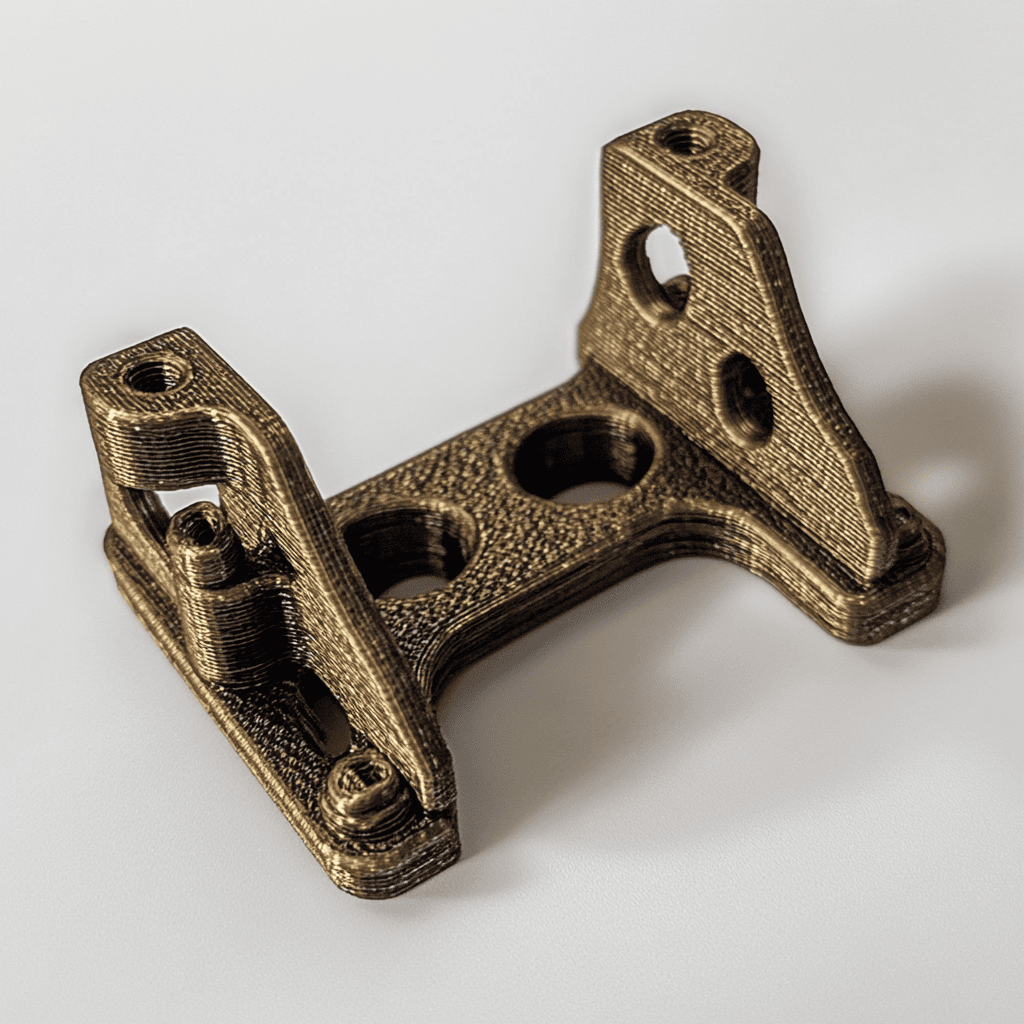
  • Phase 1: Concept Models (Visual Prototypes)  – Prove form and ergonomics with low-cost 3D printing (FDM, SLA)

  • Phase 2: Engineering Validation Tests (EVT)  – Test fit, strength, and mechanical performance with SLS, CNC, urethane casting, or machining

  • Phase 3: Design Validation Tests (DVT) & Pilot Runs  – Simulate production parts using injection molding, metal casting, or pilot runs

  • Phase 4: Market-Ready Samples – Showroom-quality parts for photography, sales kits, investor demos, or regulatory submissions

We help you move fast early — and make it real when it counts.

Material Selection for CNC & 3D Printing

The material you choose can make or break performance, cost, and manufacturability.

We guide you through the tradeoffs between thermoplastics, metals, rubbers, and composites — aligning your product’s mechanical, cosmetic, and regulatory needs with appropriate materials.

We assess:

  • Mechanical properties – strength, stiffness, fatigue resistance, impact tolerance

  • Environmental exposure – heat, UV, moisture, chemicals, wear

  • Tolerances and surface finish – based on process and performance

  • Certifications – FDA, biocompatibility, RoHS, REACH, UL

  • Cost and sourcing availability – at prototype and production scales

Typical material recommendations may include:

  • PLA or ABS for early 3D prints

  • Nylon (SLS or MJF) for functional plastic prototypes

  • POM, PC, or PEEK for engineered components

  • Aluminum (6061/7075) or Stainless Steel (304/316) for structural metal prototypes

  • Urethane resins for castable flexible and rigid components

  • Silicone for soft-touch or medical-grade components


Material Selection Guidance

Prototype-to-Production Alignment

Prototype smart today, so you can scale tomorrow.

Prototypes are not the end — they’re the beginning of production. We help you plan your prototype so it feeds directly into your go-to-market strategy.

We’ll help you:

  • Choose materials that mirror final performance

  • Avoid geometries that can’t scale

  • Build tolerance stacks and BOMs aligned with production reality

  • Transition directly from prototype to manufacturing with the same partner team

Prototype-to-Production Alignment

How Our Prototyping Strategy Works

Discovery → CAD file, sketch, use case, budget → Process & material recommendations

Prototyping Plan → Functional goals and timeline → Phased strategy with cost + lead time tiers

Material Selection → Desired properties or constraints → Matched resins, metals, elastomers
Execution → Finalized geometry and goals → Prototype delivery through vetted partners

Production Readiness → Approved prototype → Quote and DFM for full production

How Our Prototyping Strategy Works

Explore Related Services

3D Printing

3D Printing

Rapid, cost-effective prototyping and low-volume production with complex geometries and minimal tooling. 
Sheet Metal Fabrication

Sheet Metal Fabrication

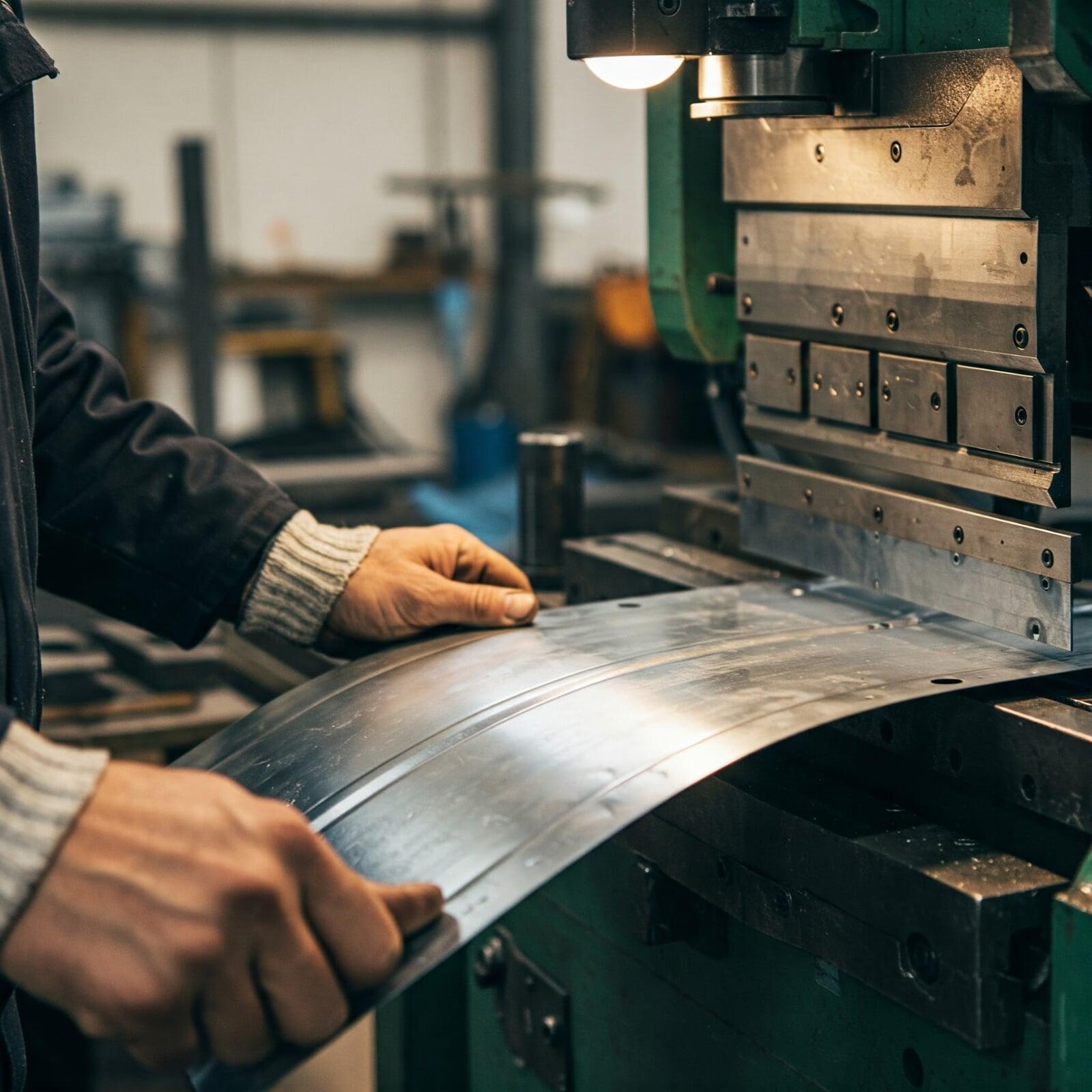
Cut, bend, and assemble custom enclosures, brackets, and panels — scalable from prototypes to full production runs.
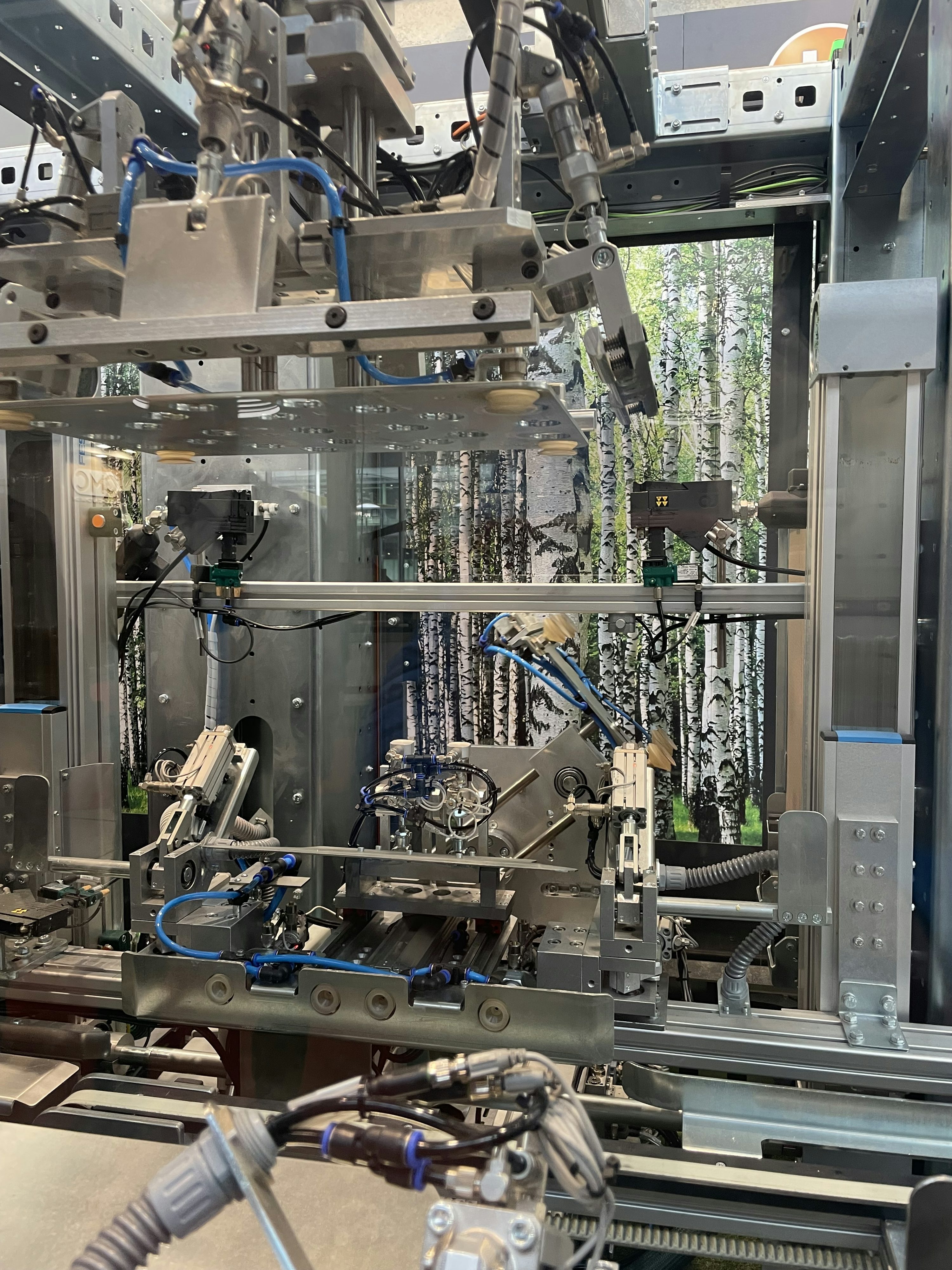
Injection Molding

Injection Molding

High-volume plastic part production with consistent quality, fast cycle times, and low per-unit cost once tooled. 
Got a take? Take the State of Manufacturing 2026 survey.

Take the survey