The Buyer’s Guide to Supplier Risk Management: How to Prevent Problems Before They Hit Production
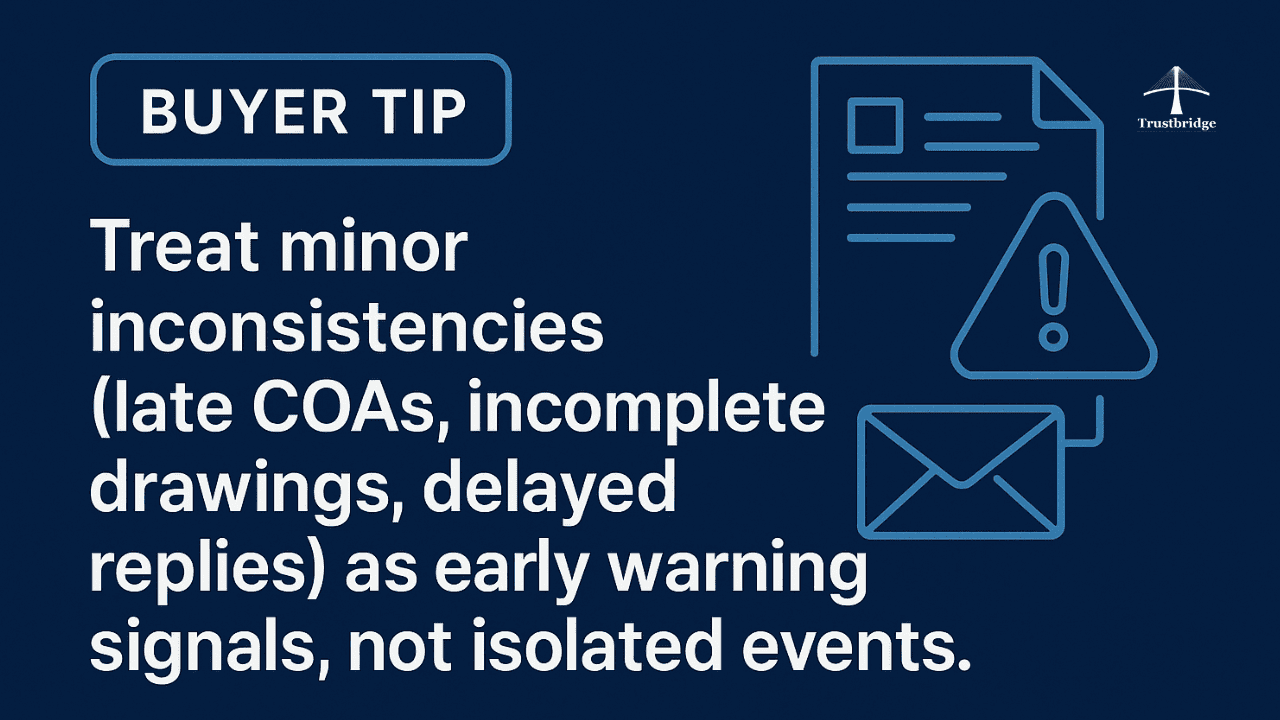
In today’s fast-moving manufacturing world, supplier risk management is no longer optional. Buyers are expected to ensure parts arrive on time, meet specifications, and comply with regulatory standards. Most supply chain failures don’t appear suddenly they start with small signals like late documentation, inconsistent communication, or unclear process of adherence.
By adopting structured risk management practices, buyers can spot issues early, intervene before they become production bottlenecks, and keep manufacturing predictable. Modern tools, such as supplier scorecards, vendor qualification checklists, digital procurement tools, and procurement KPIs, give buyers the visibility and control needed to manage suppliers proactively.
For example, a manufacturer using a scorecard identified recurring delays in material certifications from a key supplier. Early detection enabled immediate correction preventing a major production delay.
Key Components of Effective Supplier Risk Management
Use a Supplier Scorecard to Track Performance
A supplier scorecard is a simple but powerful tool for tracking supplier performance. It measures key areas like quality, delivery, cost, and communication. Buyers can rate suppliers consistently, spot trends, and identify issues before they escalate.
For instance, tracking delivery punctuality and documentation accuracy helped one electronics manufacturer reduce delayed shipments by 20%. By making performance measurable, suppliers also understand what’s expected, improving accountability and collaboration.
Implement a Vendor Qualification Checklist
A vendor qualification checklist ensures that buyers evaluate suppliers in a structured and consistent way. It typically includes supplier capability, production capacity, compliance with regulations, and readiness to meet volume requirements.
This checklist prevents surprises later. One automotive buyer shared how a structured onboarding checklist avoided working with a supplier who couldn’t meet inspection-level tolerances. It also simplified comparing multiple vendors, making the selection process faster and more objective.
Ensure Supplier Compliance Across Processes
Supplier compliance is critical to reducing risk. Buyers must confirm that suppliers follow agreed-upon processes, maintain proper documentation, and meet regulatory requirements.
Strong compliance monitoring can include audits, reviewing certifications, and analyzing third-party data. For example, a medical device manufacturer used compliance audits to ensure suppliers adhered to ISO 13485 standards. By verifying compliance consistently, buyers avoid costly nonconformance and maintain predictable production outcomes.
Leverage Digital Procurement Tools for Risk Visibility
Digital procurement tools transform supplier management from reactive to proactive. They centralize supplier data, track KPIs, and monitor risk indicators in real time.
Instead of juggling emails or spreadsheets, buyers can use dashboards to track supplier performance trends, spot early warning signs, and send automated reminders for certifications or document updates.
For example, a global industrial manufacturer implemented a digital procurement platform to track supplier metrics live. When performance dips appeared on the dashboard, procurement acted immediately—avoiding quality issues that could have delayed assembly lines.
How Buyers Can Measure and Manage Third-Party Risks
Even reliable suppliers create third-party risks, such as financial instability, capacity bottlenecks, or inconsistent quality systems. Integrating third-party risk management helps buyers evaluate suppliers holistically.
Practical Steps for Buyers
- Review third-party data like financial reports, certifications, and historical performance.
- Use procurement KPIs to detect deviations early.
- Incorporate risk checks directly into the vendor qualification checklist.
A precision parts buyer avoided partnering with a supplier approaching bankruptcy by reviewing financial risk indicators.

Set a quarterly review cycle for financial health and compliance verification across all active

Structured supplier risk management offers buyers more than risk reduction it delivers predictability, cost savings, and better supplier collaboration.
- Operational Efficiency: Better oversight reduces firefighting and last-minute escalations.
- Cost Savings: Early detection prevents scrap, rework, and expedited freight costs.
- Stronger Collaboration: Transparent expectations improve supplier accountability and communication.
Compliance and Supplier Relationships
Ensuring supplier compliance strengthens both operations and partnerships. When suppliers follow agreed-upon processes and maintain regulatory standards, buyers can:
- Avoid audit risks.
- Improve traceability and documentation.
- Build long-term, collaborative supplier relationships.
A manufacturing buyer that monitored compliance across multiple suppliers reported fewer production delays and higher overall quality, simply by catching small deviations before they turned into major issues.
Trustbridge Tip: Strong supplier risk management goes beyond tracking KPIs and ensuring compliance. Buyers also face deeper operational challenges that can affect delivery, quality, and repeatability — like capacity limits, inconsistent processes, or unclear documentation. Leading suppliers overcome these hurdles through structured processes, certifications, and continuous improvement. For a detailed look at common challenges and actionable solutions in manufacturing, explore our guide: Top Challenges in Custom Manufacturing and How to Overcome Them.
Real-World Example: Turning Risk Management into Action
A mid-sized electronics company implemented a supplier scorecard and vendor qualification checklist. In just six months:
- Documentation errors dropped 35%
- On-time delivery improved 20%
- Early issue detection prevented two potential production halts
By combining digital procurement tools, KPIs, and compliance monitoring, the company significantly improved predictability, cost control, and supplier collaboration.
Conclusion: Turning Supplier Risk Management into a Competitive Advantage
For today’s procurement teams, supplier risk management is a strategic advantage—not just another operational task. Buyers who consistently track KPIs, assess third-party data, monitor compliance, and use structured qualification checklists reduce surprises and keep production stable.
Investing in structured supplier oversight boosts operational efficiency, improves delivery reliability, strengthens supplier partnerships, and supports long-term success.Trustbridge supports buyers by providing the tools, insights, and expertise needed to execute strategic quote comparisons at scale. Ready to transform your sourcing decisions? Visit Trustbridge.pro to explore resources, case studies, and solutions designed to help procurement professionals make smarter, more confident buying decisions.
Frequently Asked Questions
1. Why do most supplier quality issues happen before production?
Misalignment starts early, with unclear drawings, tolerances, or material specs, forcing suppliers to make assumptions that can lead to mistakes showing only during sampling or production.
2. How can a supplier scorecard reduce production risk?
Scorecards track KPIs across quality, delivery, and communication, helping buyers spot early warning signs and prevent small deviations from becoming costly production delays.
3. Why is a vendor qualification checklist critical?
It standardizes supplier evaluation—covering capability, compliance, and process maturity, so buyers avoid onboarding suppliers who may struggle with quality or volume requirements.